
3 Reasons Why Roof Size Matters When Hiring a Roofer
When it comes to hiring a roofer, one of the most crucial considerations is the size of the roof. The dimensions of the roof can significantly influence the cost, time, materials, and techniques employed in a roofing project. Understanding why roof size matters can help homeowners make informed decisions and ensure they hire the right roofer for the job. Roof size is not just about the area that needs coverage; it encompasses numerous elements that play pivotal roles in the completion of a project.
1. Impact on Project Cost
1.1 Cost of Materials
The size of the roof directly correlates with the amount of materials needed for the project. Larger roofs require more shingles, underlayment, and sealants, which can significantly impact the overall budget. Given that the average roof size is approximately 1,700 square feet, it's evident that even a slightly larger roof can lead to substantial cost increases. Roofing materials vary in price, and the larger the roof, the higher the expenditure on high-quality materials. Moreover, sourcing a vast quantity of materials in a short timeframe might also entail additional logistical costs that need consideration.
1.2 Labor Costs
The roof size can dictate the labor force required, affecting the roofer's fees. More extensive roofing projects often require a larger team to ensure timely completion, subsequently increasing labor costs. While smaller roofing jobs might be completed by a small roofer team, a roof that exceeds 1,700 square feet may necessitate a coordinated team of roofers, each with specific roles. The complexity and duration of the task often dictate how manpower is allocated. Additionally, larger projects might warrant specialized skills and supervision, further escalating labor costs and requiring a thorough cost evaluation before commencement.
1.3 Equipment and Tool Expenses
Larger roofs may necessitate more or specialized equipment, thus escalating expenses. A more extensive surface area requires longer ladders, more scaffolding, and possibly cranes, particularly in multi-story buildings. These pieces of equipment are not just costly to hire but also influence how a project is planned. The strategic placement of such equipment on larger projects ensures efficiency but requires precise safety measures and space considerations. Investing in the appropriate equipment is crucial to maintaining the required safety standards and meeting project timelines effectively.
1.4 Permits and Inspection Fees
Bigger roofing projects might necessitate more comprehensive permits and multiple inspections, further increasing costs. Various jurisdictions may have specific requirements based on the size of the project, impacting the administrative aspect of roofing renovations. The complexity of ensuring that all paperwork is in order for a large roof can be daunting but is necessary to avoid potential legal issues. Inspections ensure that all building codes and regulations are met, which becomes crucial as the roof size and complexity increase. Understanding these requirements ahead of time can save both money and time in the long run.
1.5 Contingency Budget
Budgeting for unforeseen issues is paramount in larger projects, where complications are more likely. Larger roofs introduce variables such as weather-related damage, structural considerations, and potential design changes. Establishing a contingency budget allows for flexibility in project management and ensures that unexpected challenges do not derail the entire timeline or budget significantly. Being prepared for incidents that arise, such as additional material needs or labor time due to unforeseen repairs, can mitigate financial strain. Ultimately, a well-calculated contingency buffer aids in maintaining a seamless flow in the project's timeline and execution.
2. Influence on Project Timeline
2.1 Duration of Work
Larger projects, by their very nature, require longer completion times which can impact the overall scheduling. Proper estimation and planning are critical for effective resource allocation and ensuring that all stakeholders are aware of the timeline. Coordinating various aspects, including material delivery and labor availability, plays a significant role in maintaining project timelines for larger roofs. The duration of work directly influences associated costs and homeowner inconvenience, making it a critical factor in project planning.
2.2 Weather Considerations
Weather can severely delay projects, particularly for extensive roofing areas, due to their increased exposure. Adverse weather conditions such as rain, wind, or excessive heat can halt progress, affecting both schedule and safety. Larger roofing projects often stretch over seasons, increasing the probability of encountering unfavorable weather, thereby necessitating flexible scheduling. A roofer needs to have contingency plans in place for weather interruptions to minimize downtime. Implementing temporary weather protection measures may also be necessary to safeguard the ongoing work, adding another layer of planning for the project.
2.3 Complexity of Work
The complexity of larger roof designs may extend project timelines, requiring meticulous planning and execution. Complex architectural features or unique aesthetic requirements often demand special attention to detail. Custom roof designs with additional features such as skylights or solar panels require more time for proper integration and installation. The intricate aspects of larger roofs often necessitate custom solutions, skilled labor, and specialized contractors familiar with such challenges. These complexities can significantly extend project timelines if not anticipated and efficiently incorporated into the initial planning stages.
2.4 Project Phasing
Understanding the phases involved in large roofing projects aids in managing timelines and setting realistic expectations. Dividing the work into manageable sections allows for better resource allocation and task prioritization. Phasing provides clarity, allowing sections of a project to be completed sequentially or in parallel, based on resource availability. This approach ensures that any disruptions in one phase don't necessarily impact the entire project. Well-defined phasing facilitates coordinated planning, allowing each segment to progress smoothly according to the overarching project plan.
2.5 Availability of Skilled Labor
Significant roofing projects often require more specialized teams, affecting timelines due to their availability. Finding skilled laborers proficient in handling large, complex roofing projects can pose challenges, with availability sometimes dictating the pace of work. A roofer might need to schedule around the availability of specialized teams or bring in workers from other locations. The coordination of multiple skilled teams might be necessary, each responsible for different project aspects. Ensuring that all necessary expertise is available at the right times guarantees that the project proceeds smoothly without unnecessary delays.
3. Effect on Material Choice
3.1 Material Weight Considerations
The need to balance material weight with structural support is crucial for large roofing projects to ensure stability and safety. A roof's size significantly affects the overall structural load, necessitating careful selection of materials that won't compromise the building's integrity. Lighter materials might be prioritized in larger projects to mitigate stress on the underlying structure. However, weight considerations must be balanced with the material's durability and weather resistance, ensuring the final solution meets all the project's needs. An extensive assessment of the building's load-bearing capabilities by structural engineers often precedes any large roofing project.
3.2 Suitability of Roofing Types
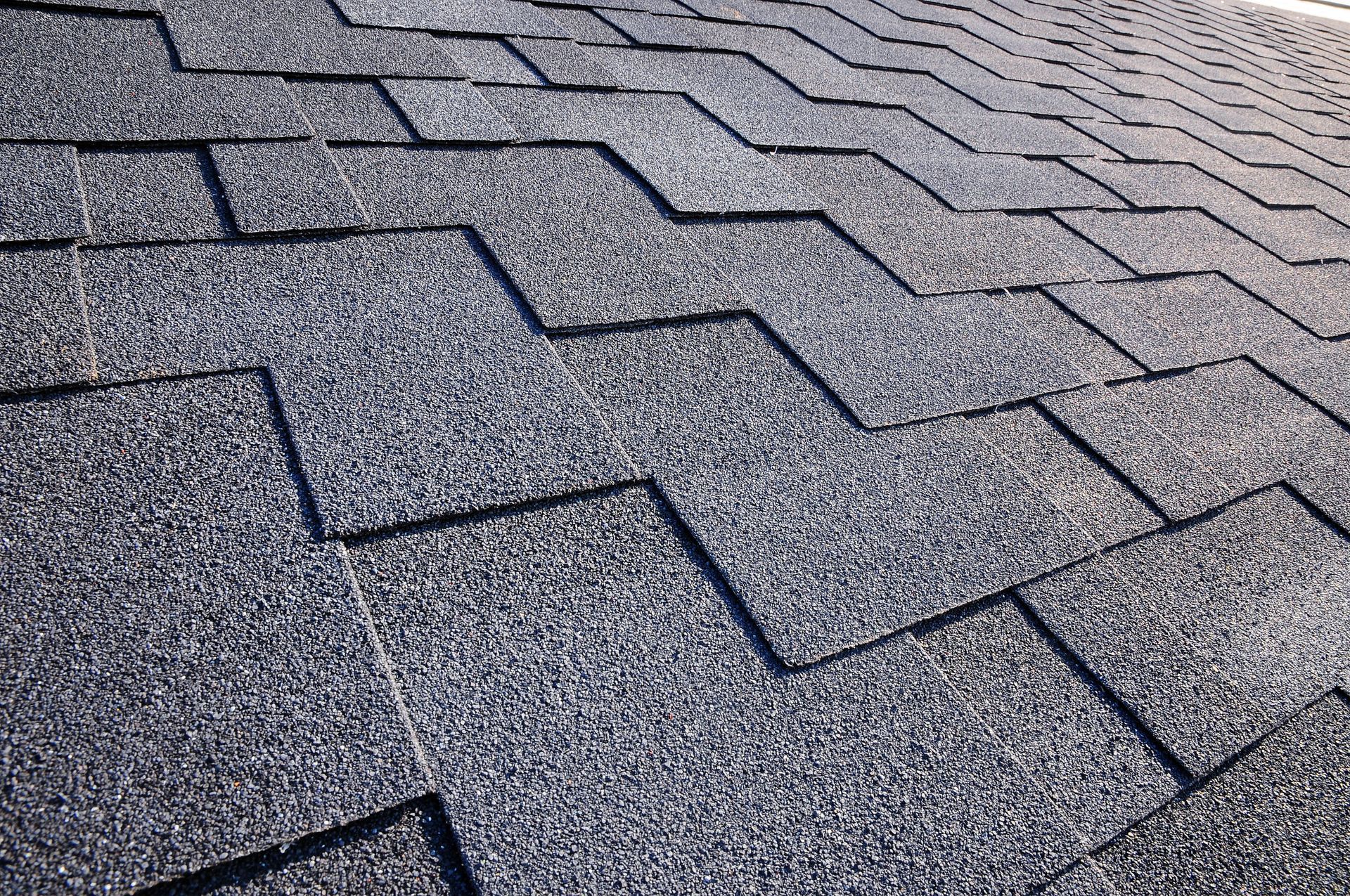
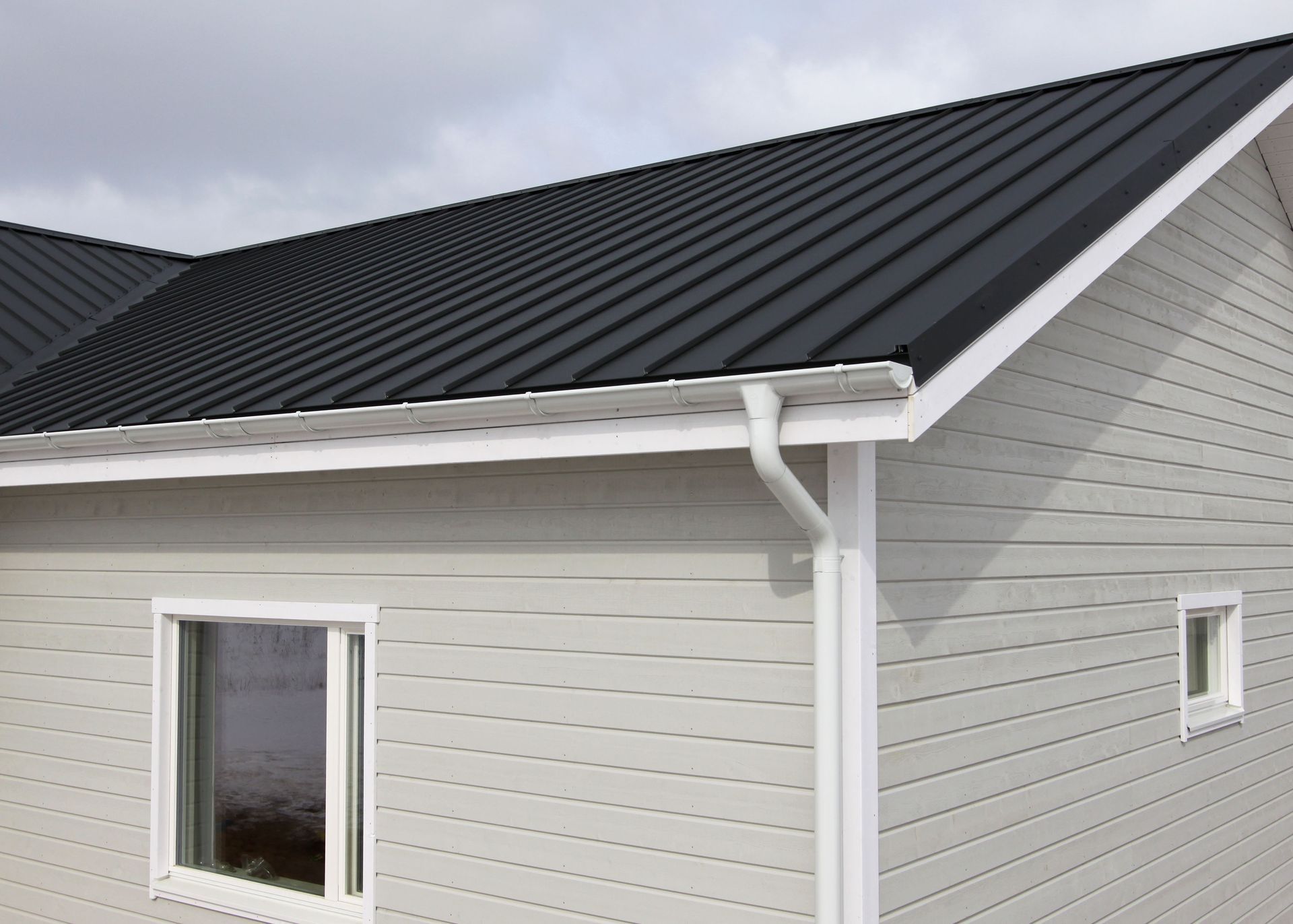
Not all roofing materials are suitable for larger roofs, where the cost, weight, and finish need careful consideration. The expansive surface area of larger roofs can exacerbate the properties of certain materials, influencing the selection process. Asphalt shingles, for example, might be less practical compared to metal roofing due to durability and installation efficiency on larger installations. Selecting suitable materials involves balancing lifetime costs against initial expenses, aesthetics, and functional requirements. Consulting with material specialists helps determine the most appropriate choices for large-scale roofing projects.
3.3 Cost vs. Durability
Larger projects amplify cost concerns related to durable materials, requiring a calculated balance between initial investment and longevity. Durable materials, though costlier upfront, may offer reduced maintenance costs over time, particularly for larger roofs. The extended lifespan of durable materials becomes more significant as the roof size increases, offering long-term benefits offsetting higher initial costs. Well-informed homeowners recognize the importance of investing in quality materials to prevent future issues that might arise due to extensive wear and tear. A comprehensive analysis of long-term savings versus immediate costs will guide homeowners toward the best material investment.
3.4 Energy Efficiency
For larger roofs, choosing materials that offer energy efficiency benefits can significantly impact overall utility costs. An expansive roof surface absorbs and emits more heat, affecting a building's temperature regulation. Energy-efficient roofing materials can alleviate such impacts by enhancing insulation properties and reducing cooling costs. The larger the surface area, the greater the potential energy savings from implementing energy-efficient designs and materials.
Are you looking for a
roofer you can count on? Bill Blanck Home Improvements LLC is ready to handle roofing projects of any size. Call us today!










Share On: