
How Modern Roofing Materials Are Saving Homeowners from Extreme Weather
A roof faces changing conditions throughout the year, from strong winds and summer heat to heavy rain and winter storms. Choosing a durable material matters, but so do installation, drainage, and the condition of the structure beneath it. Today's products offer different ways to manage those challenges without making any roof immune to damage. Understanding the options can help homeowners work with a roofing company to choose a system suited to their climate, budget, and property.
Why Extreme Weather Tests Every Roofing System
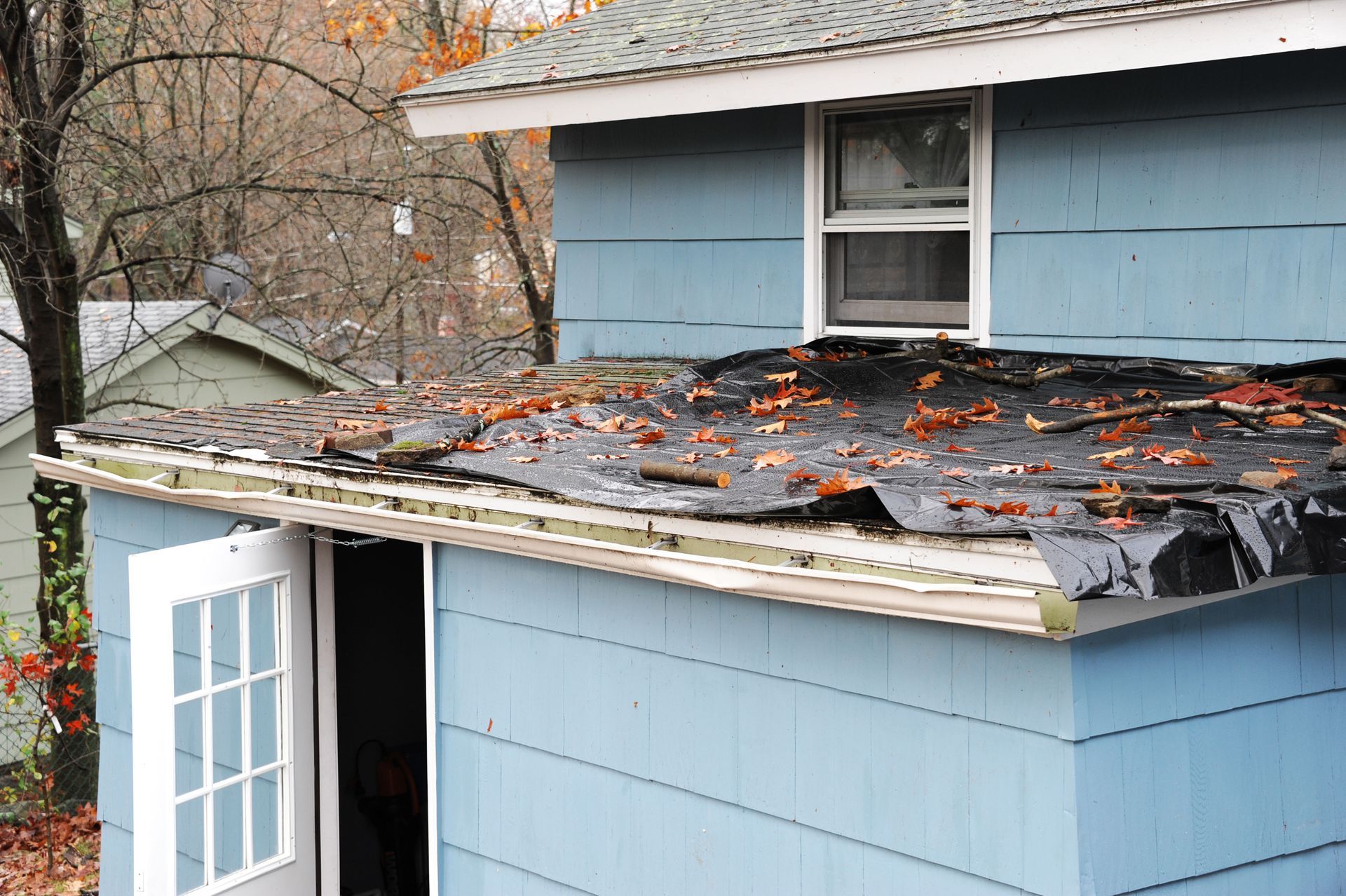
Rain is one of the clearest examples of the work a roof must perform. According to This Old House, one inch of rainfall hitting the average roof can add up to 1,900 gallons of water across its surface. That water should move into gutters and away from the building rather than collect around vulnerable joints or foundations. Proper slope, intact flashing, and clear drainage paths are as important as the visible covering.
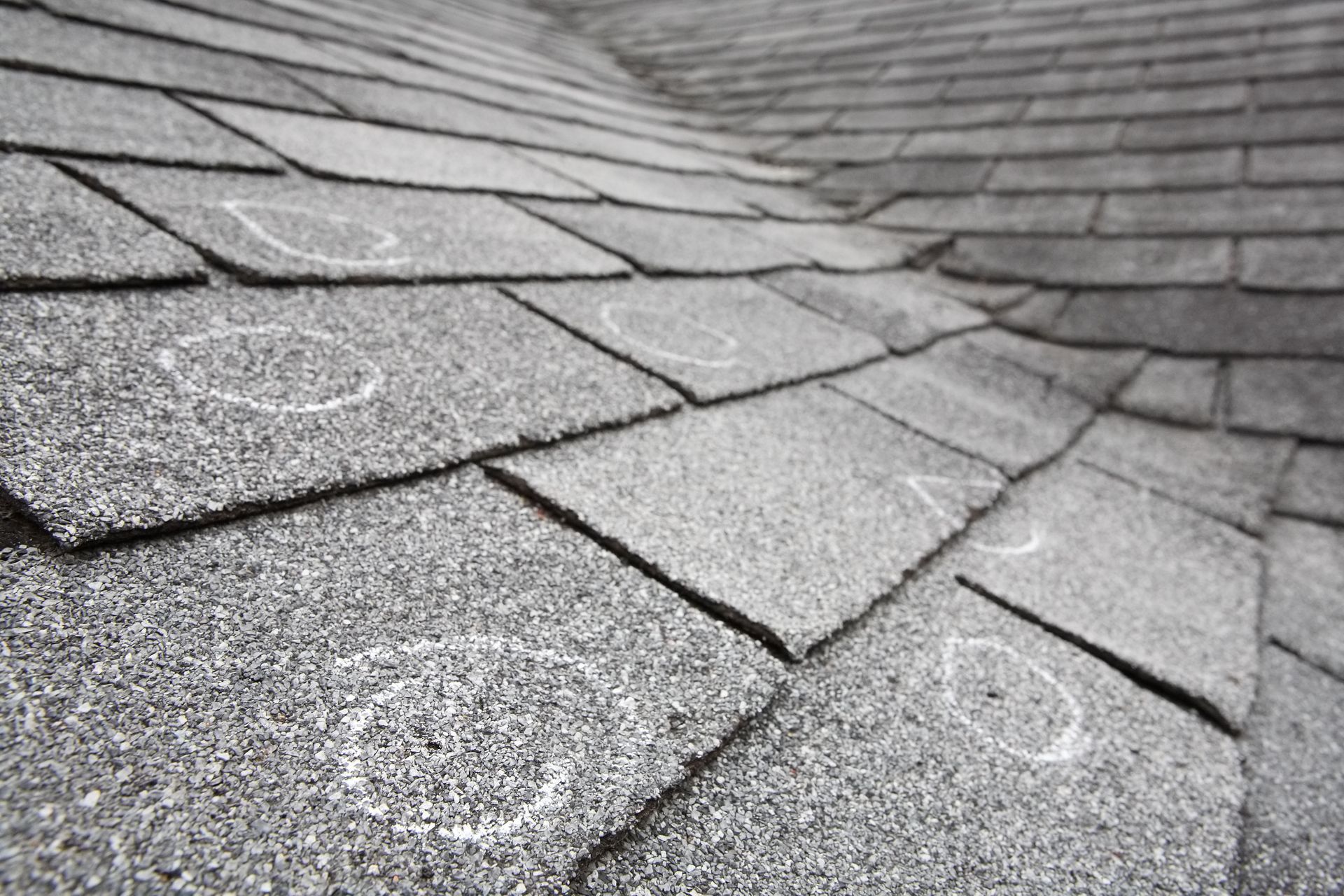
Wind can loosen poorly secured materials, while hail may bruise shingles or dent certain metal panels. Snow creates additional weight, and repeated melting and freezing can contribute to ice dams. The most important risks differ by region and roof design, which is why a material that performs well on one home may not be the best choice for another. After storms, look from the ground for displaced shingles or overflowing gutters. Do not climb onto a wet or damaged roof.
How Asphalt Shingles Address Wind and Hail
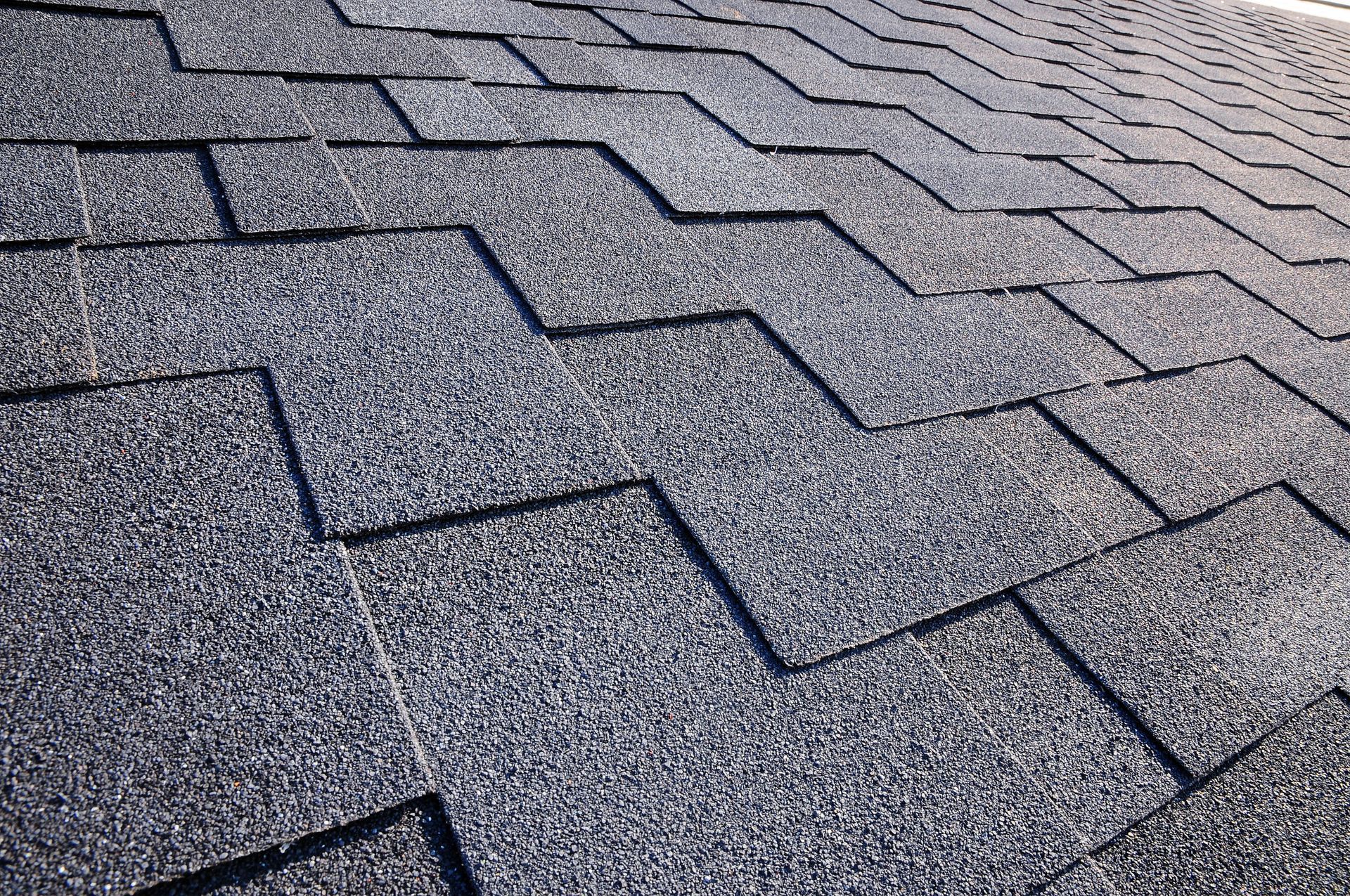
Asphalt shingles remain a familiar option because they come in different styles and performance grades. Some products are tested for higher wind resistance, while impact-resistant versions are designed to better withstand certain hail impacts. Those ratings are useful points of comparison, but they do not mean a shingle cannot be damaged during a severe storm.
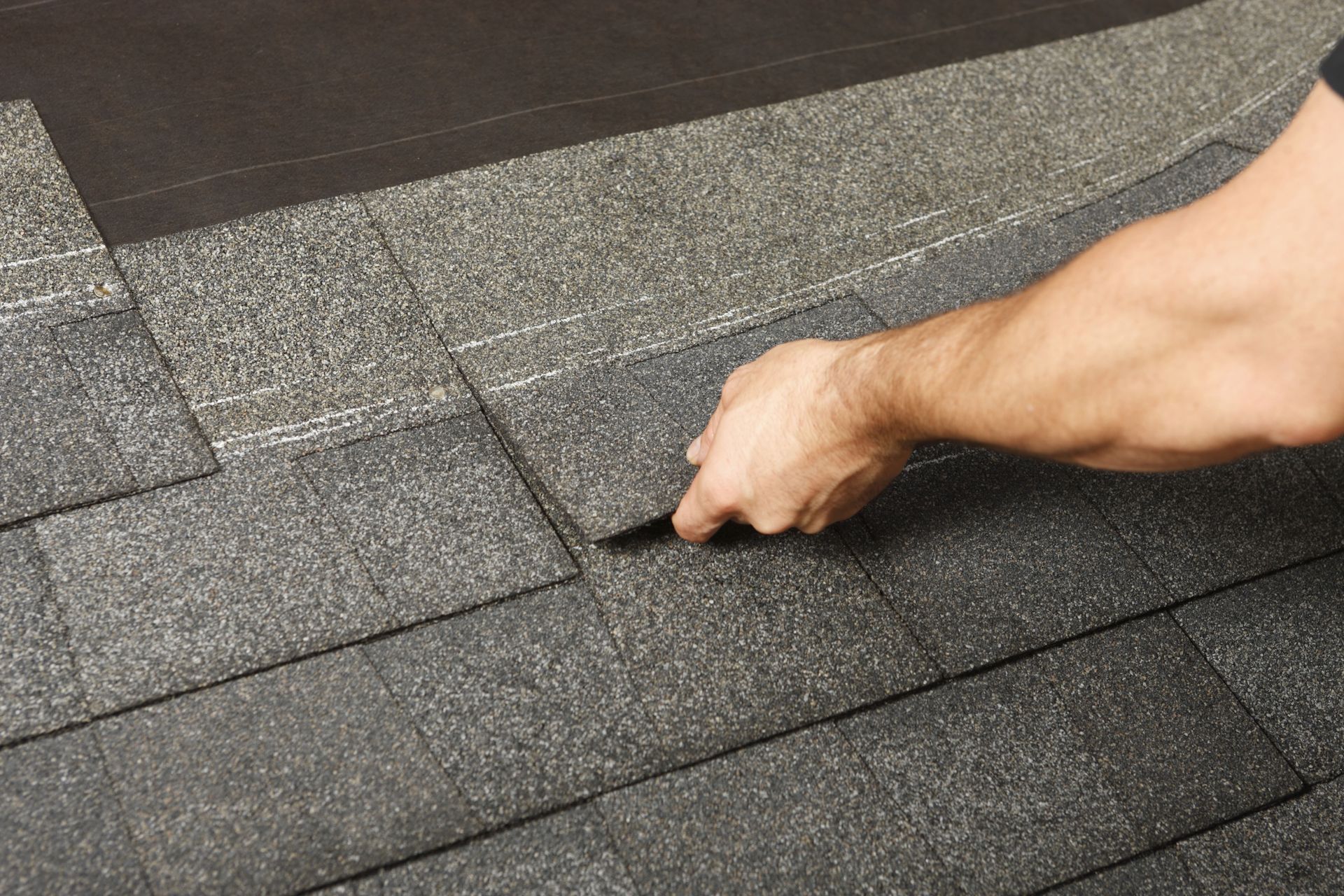
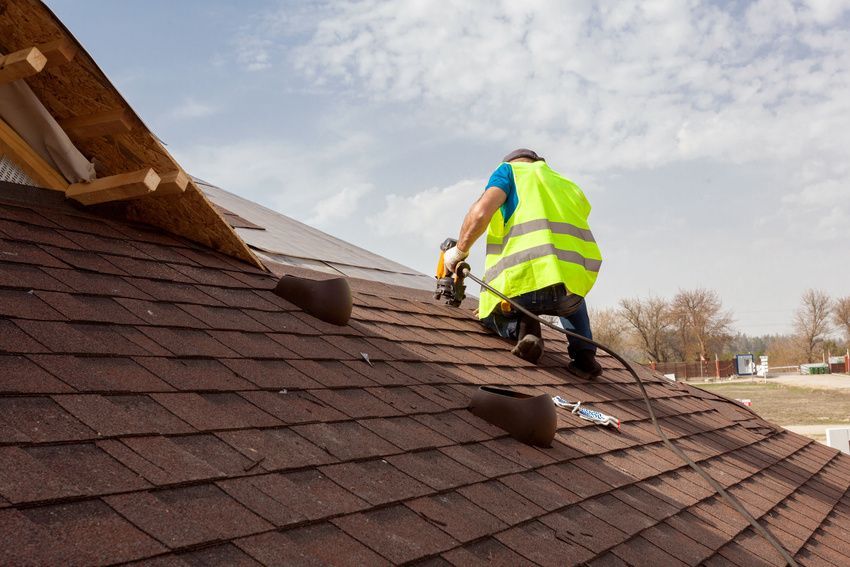
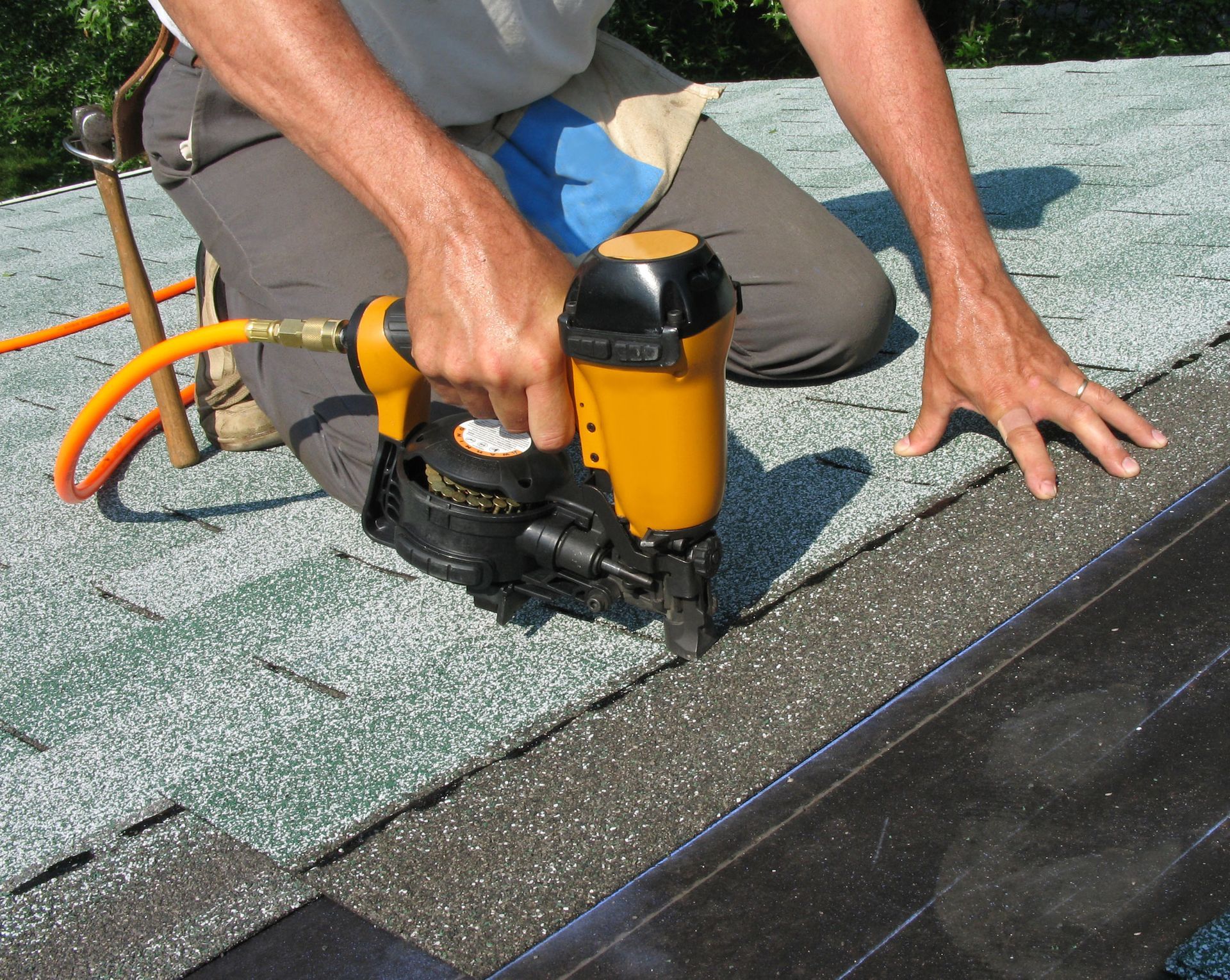
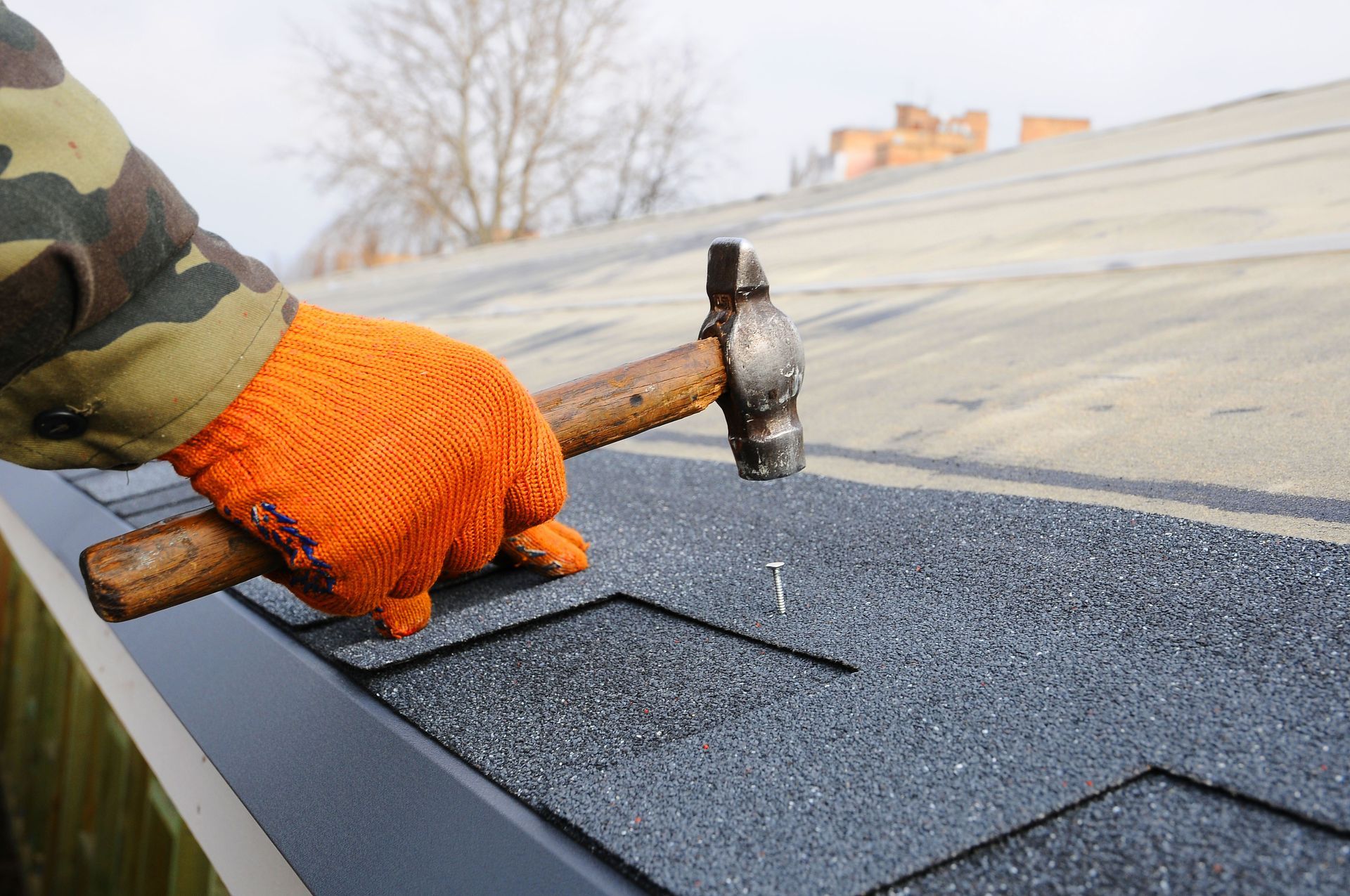
Installation details influence performance. Starter strips, fastening patterns, roof slope, and edge treatment all need to follow the product's instructions and applicable building codes. Aging or poorly attached shingles can remain vulnerable even if the original product had a strong rating. A shingle also needs an intact roof deck and proper sealing to perform as designed. Replacing a few damaged sections may be reasonable when the surrounding roof is still sound. Ask a roofing company to explain which specifications matter for your location, including whether impact resistance or stronger wind performance should take priority.
How Metal, Tile, and Composite Roofs Compare
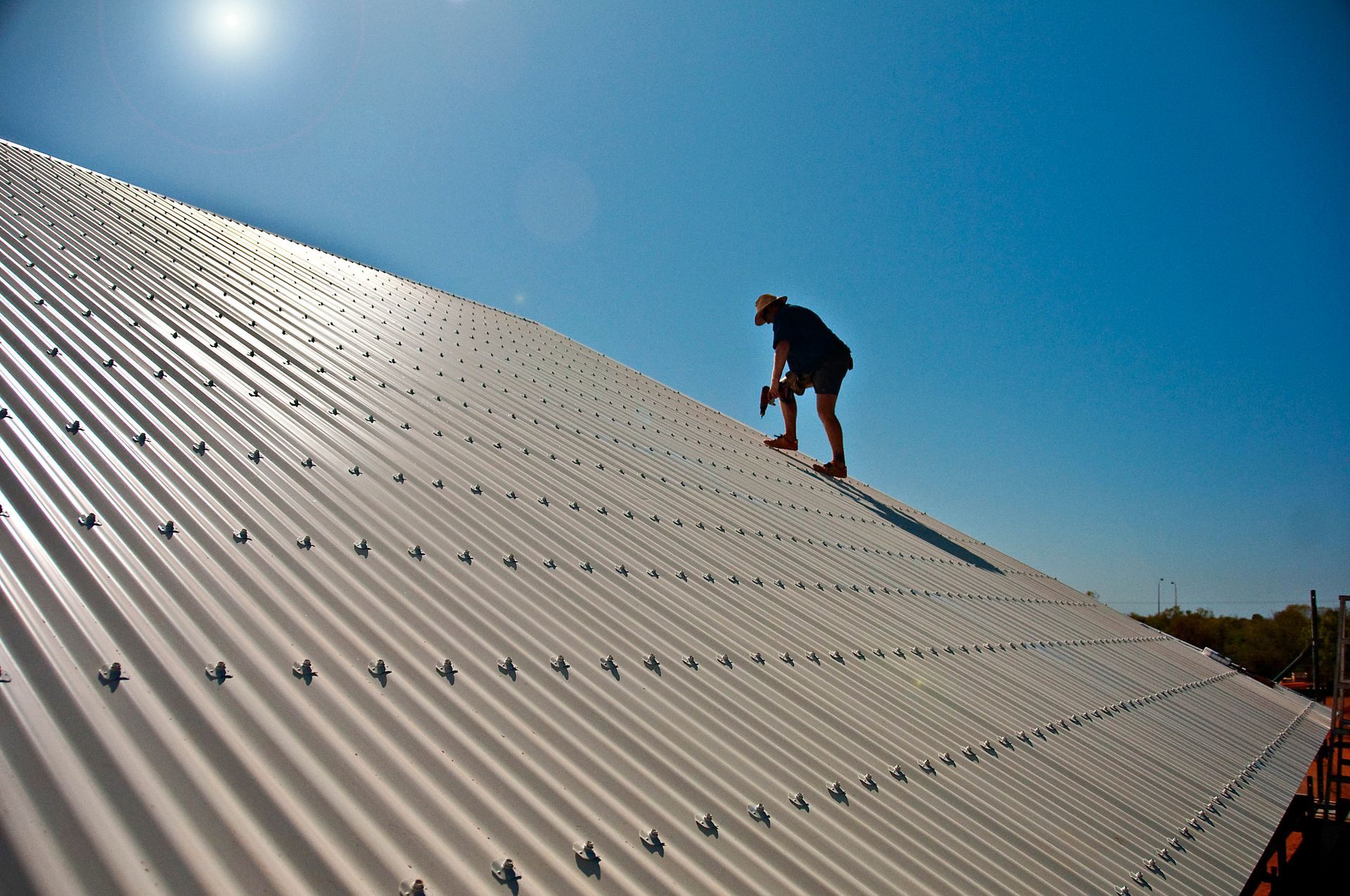
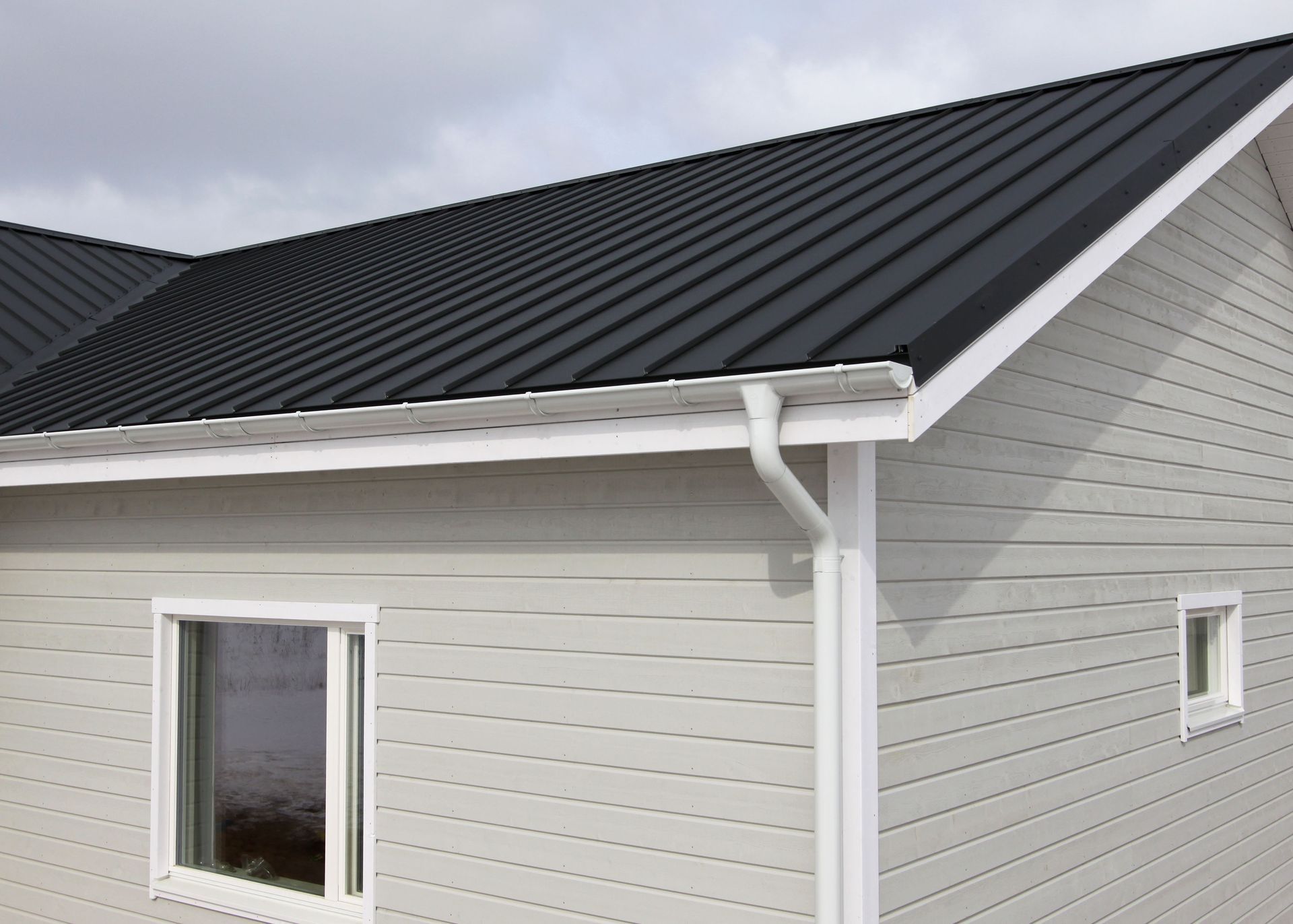
Metal panels can shed rain and snow effectively when installed with suitable slope, fasteners, and flashing. Many products also offer long service lives, although their performance depends on the metal, coating, local exposure, and maintenance. Hail may leave cosmetic dents, and coastal environments require careful attention to corrosion resistance and compatible hardware.
Clay and concrete tiles resist many weather exposures, but their weight requires an appropriate supporting structure. Tiles may crack when struck or walked on, and wind performance depends on the attachment system. Composite products offer additional styles and weights, yet their durability varies considerably by manufacturer and design.
Rather than assuming one category is always superior, compare the exact products under consideration. A roofing company can review the home's structure, roof pitch, and local weather to narrow the choices. Manufacturer testing, warranty exclusions, and installation requirements provide more useful information than broad claims about a material being stormproof. Review how replacement pieces would be sourced if a future storm damages only part of the roof. Matching an older finish or discontinued profile may not always be straightforward.
Why Underlayment and Flashing Matter
The exposed roofing material is only part of the system. Underlayment beneath many steep-slope coverings provides a secondary layer of water resistance when wind-driven rain gets past the outer surface. Flashing directs water away from chimneys, skylights, vents, and roof-to-wall connections, where leaks often begin.
Low-slope roofs need appropriately designed membranes and drainage because water moves off them more slowly. Materials intended for steep roofs cannot simply be installed on every roof shape. If seams, penetrations, or drainage details are incorrect, even a premium surface material may develop leaks.
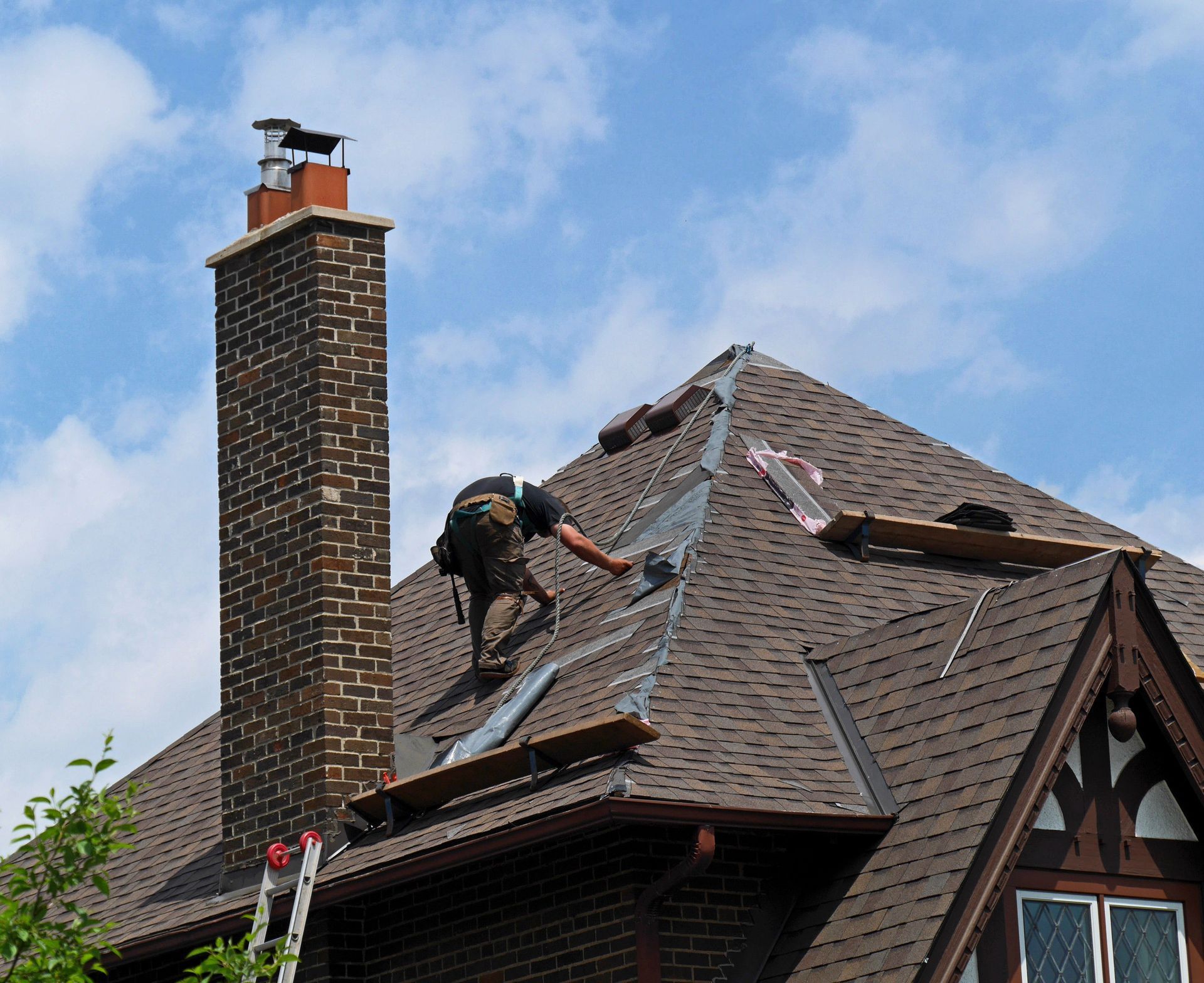
During a roof replacement, ask a roofing company what underlayment, flashing, and water barriers are included in the proposal. Request clarification about any damaged decking discovered after removal, since a solid substrate is necessary for a reliable installation.
How Installation Quality Influences Storm Performance
A product's advertised performance depends on how it is installed. Fastener placement, panel overlaps, edge details, ventilation openings, and roof transitions should follow both manufacturer instructions and applicable codes. In areas exposed to severe wind, the connection between the roofing system and supporting structure deserves particular attention.
It also helps to know what an inspection can and cannot show. Ground photographs and drone images may reveal missing materials or visible storm damage without requiring a homeowner to climb onto the roof. They cannot always identify concealed moisture, damaged decking, or fastening defects. A qualified roofer may need closer access to investigate those concerns safely.
Before hiring a roofing company, ask for a written scope covering materials, preparation, cleanup, and workmanship coverage. Confirm licensing and insurance requirements where applicable, and understand how unforeseen repairs will be authorized.
How Reflective Materials and Ventilation Affect Comfort
Some roofing products reflect more sunlight than conventional dark surfaces. These cool-roof options can reduce roof surface temperatures and may lower cooling demand, particularly in hot, sunny conditions. Savings depend on climate, insulation, and air-conditioning use, so a reflective finish should not be presented as a guaranteed reduction in energy bills.
Attic ventilation and air sealing also deserve attention. In an appropriately designed attic, ventilation helps manage heat and moisture, while insulation limits heat transfer between the roof space and living areas. A new roof alone will not correct every comfort issue. Before adding ventilation, a professional should evaluate the existing attic design, since improper changes can create moisture problems. Solar panels may provide electricity, but their mounts and roof penetrations must be integrated carefully to preserve weather resistance.
How to Choose Materials for Local Conditions
Start with the hazards your home actually faces. For hail-prone areas, compare tested impact ratings and remember that cosmetic damage may still occur. Where heavy snow is common, consider structural capacity, slope, and ice-dam prevention. Homes in wildfire-prone locations may benefit from appropriately rated roof assemblies and attention to debris near gutters and roof edges.
Then consider cost over the expected ownership period, not just the initial estimate. Product lifespan, maintenance needs, installation complexity, and warranty terms can change the value of a choice. A
roofing company should be able to explain tradeoffs without promising that a particular system will eliminate storm damage or future repairs.
If the existing roof is in reasonable condition, an inspection may reveal that targeted maintenance is more practical than replacement. After a storm, document visible problems from a safe location and arrange professional evaluation if you suspect damage.
Make a Practical Plan for Your Roof
Modern materials offer meaningful choices, but performance comes from matching the entire roof system to the property. The right covering, careful water management, sound installation, and periodic inspections work together to reduce avoidable risks. No single material can guarantee protection against every extreme event.
Bill Blanck Home Improvements LLC can help homeowners discuss roof conditions, material options, and next steps for their property. Contact the company to review concerns and plan improvements based on the roof's actual needs rather than advertising claims.








Share On: