

Factors That Affect a Metal Roof's Lifespan
Metal roofing has gained immense popularity over recent years due to its durability, energy efficiency, and aesthetic appeal. However, despite its robust nature, several factors can influence how long a metal roof will last. This article explores these factors in-depth, providing property owners with the necessary insights to maximize the lifespan of their metal roofing investment and to know when it's time to consider roof replacements.
1. Quality of Metal Materials
1.1. Types of Metal Used
The type of metal used in roofing can significantly affect its longevity. For instance, aluminum is lightweight and resistant to rust, making it ideal for coastal areas. Copper, while more expensive, develops a patina over time that protects it from the elements, ensuring a long lifespan. Steel is another popular choice due to its strength, though it requires protective coatings to prevent corrosion. Each metal type offers distinct advantages that can enhance or hinder the overall durability of the roof.
When selecting metal materials, homeowners should consider the specific environmental factors their roof will face. Aluminum, for example, is a good choice for properties near the ocean due to its resistance to saltwater corrosion. Conversely, copper's ability to withstand varying weather conditions makes it a versatile and long-lasting option. Such considerations ensure that the metal not only fits aesthetic desires but also complements the environmental characteristics of the location.
Regardless of the metal type chosen, understanding the properties and expected lifespan of each option is vital. Copper roofs can last well over a century, while materials like aluminum and steel, when properly maintained, can exceed 50 years. It's important to balance cost with expected durability to ensure that the roofing investment aligns with long-term homeowner expectations. Additionally, the choice of metal can affect the duration of installation, which according to HomeGuide, typically ranges from 1 to 8 days, depending on the complexity and size of the project.
1.2. Metal Thickness
The thickness of the metal roof, often referred to as gauge, plays a crucial role in determining its strength and durability. Thicker metals tend to offer better protection against environmental damage and have a higher resistance to impact. For instance, a thicker gauge can withstand hailstorms better than thinner options, thus prolonging the roof's lifespan. Homeowners must weigh the benefits of thicker metal against its higher cost, considering factors such as regional weather patterns.
Gauge differences mean that the thicker the metal, the longer it can potentially last under harsh conditions. A lower gauge number signifies thicker metal, which can support more weight and deter denting from fallen debris. This feature is particularly advantageous in regions prone to heavy snow or frequent storms. Ultimately, the selection of an appropriate gauge is a balance between cost and the anticipated environmental challenges the roof will face.
Thicker metals, while more costly upfront, can reduce long-term maintenance expenses due to their durability. They offer peace of mind against common issues like rust, denting, or unexpected damage from severe weather events. Contractors may suggest varying thicknesses depending on the roofing structure and regional environmental conditions.
1.3. Protective Coatings
The application of protective coatings such as galvanization or paint significantly enhances the durability of metal roofs. Galvanization, for example, provides a zinc coating that prevents rust formation, making it an excellent choice for steel roofs. Specialized paints can also reflect sunlight, reducing heat absorption and providing additional protection against UV damage. Such coatings are vital for extending the roof's life and maintaining its appearance over time.
Coatings not only protect against rust but help maintain the roof's aesthetic appeal, important for property value. Quality coatings can prevent fading and ensure the roof maintains its vibrant look despite exposure to harsh weather conditions. Regular reapplication of these protective layers also helps in prolonging the roof's integrity. Therefore, establishing a schedule for inspection and maintenance of the coatings is crucial for those looking to maximize their roofing investment.
Another advantage of protective coatings is their role in reducing maintenance costs. With adequate coating, the metal surface is less susceptible to environmental wear and tear. This reduced susceptibility extends the time between necessary repairs, which can be costly without preventative measures. Hence, integrating protective coatings into the roofing strategy is financially and physically advantageous, ensuring longevity and sustained performance.
2. Installation Techniques
2.1. Professional Installation
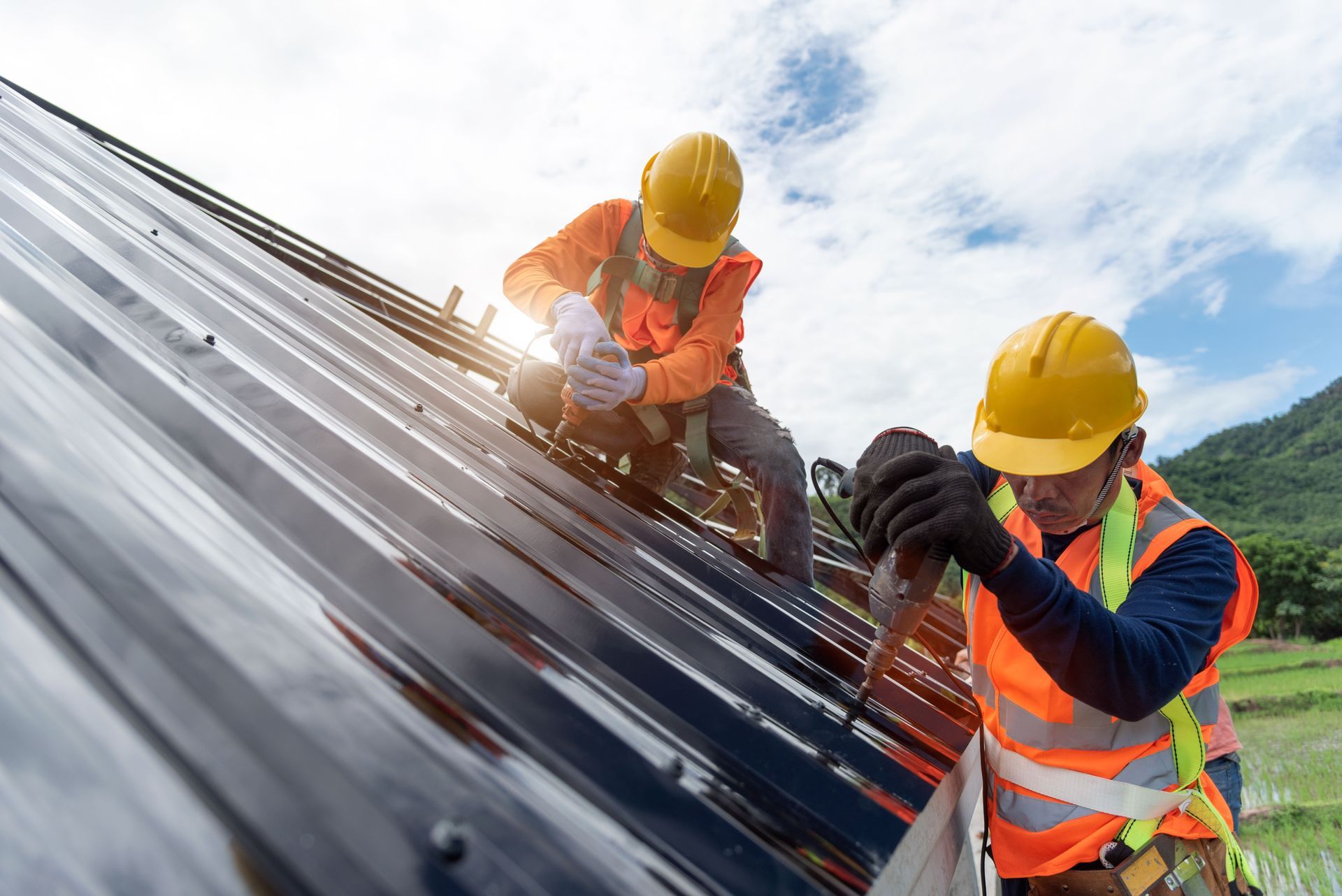
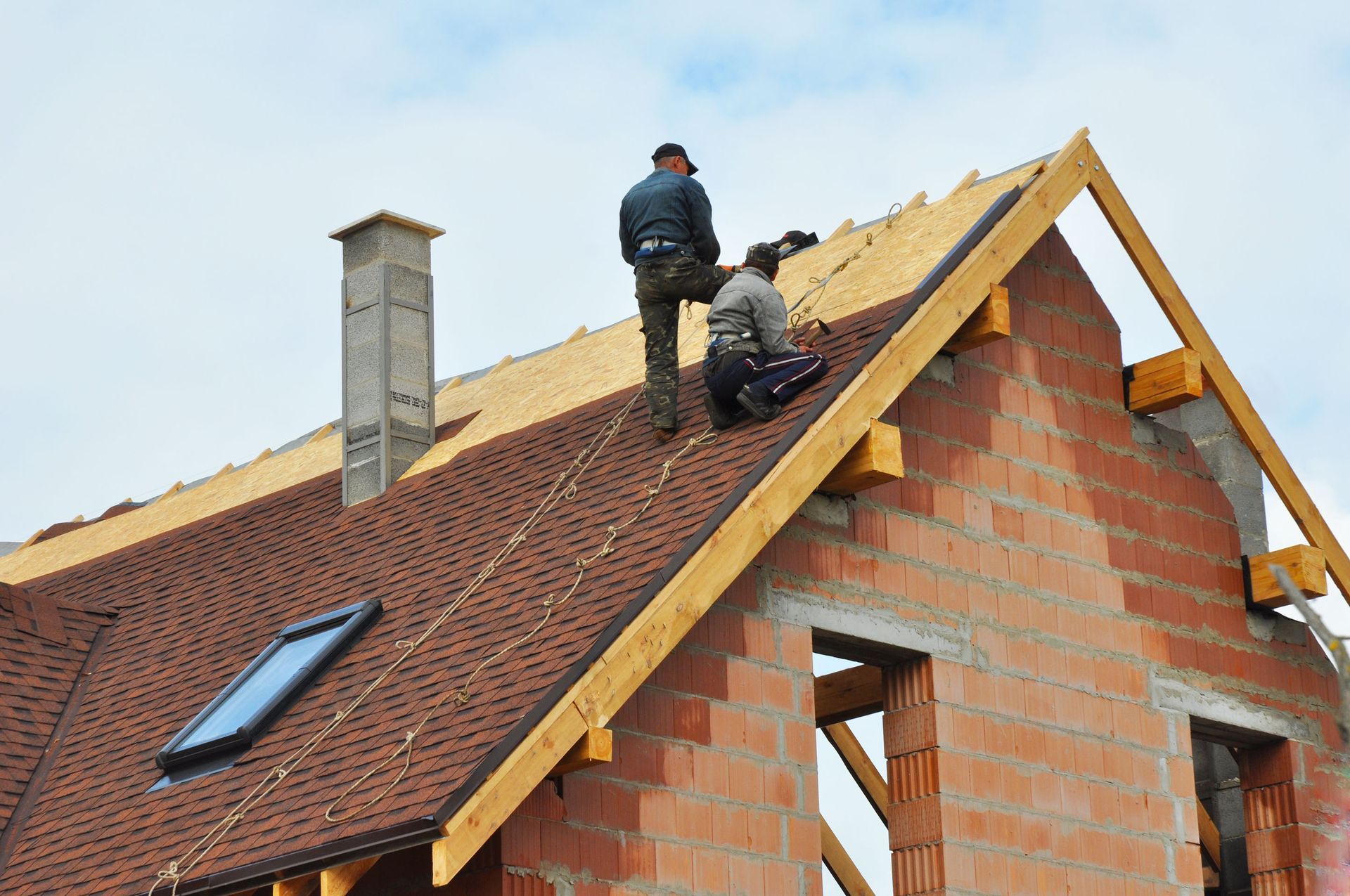
Professional installation is a critical component in determining the lifespan of a metal roof. Skilled installers bring expertise and precision to the process, ensuring each component is correctly fitted and sealed. Proper installation minimizes the chance of leaks, reduces maintenance issues, and maximizes energy efficiency. Homeowners should prioritize hiring experienced roofers with a track record of successful metal roof installations.
The benefits of using professional installers extend beyond immediate installation needs. Experienced contractors can advise on the best materials and techniques suited to specific regional and architectural requirements. They also adhere to industry standards and building codes, ensuring compliance and enhancing safety. By investing in professional installation, homeowners protect themselves from potentially costly errors that could undermine the roof's durability.
Ultimately, professional installation is an investment in both quality and peace of mind. The skill and knowledge of experienced roofers are crucial for addressing the unique challenges that each project presents. With their input, property owners can be confident in achieving a high-quality, long-lasting metal roof that performs well under the most demanding conditions.
2.2. Fastening Methods
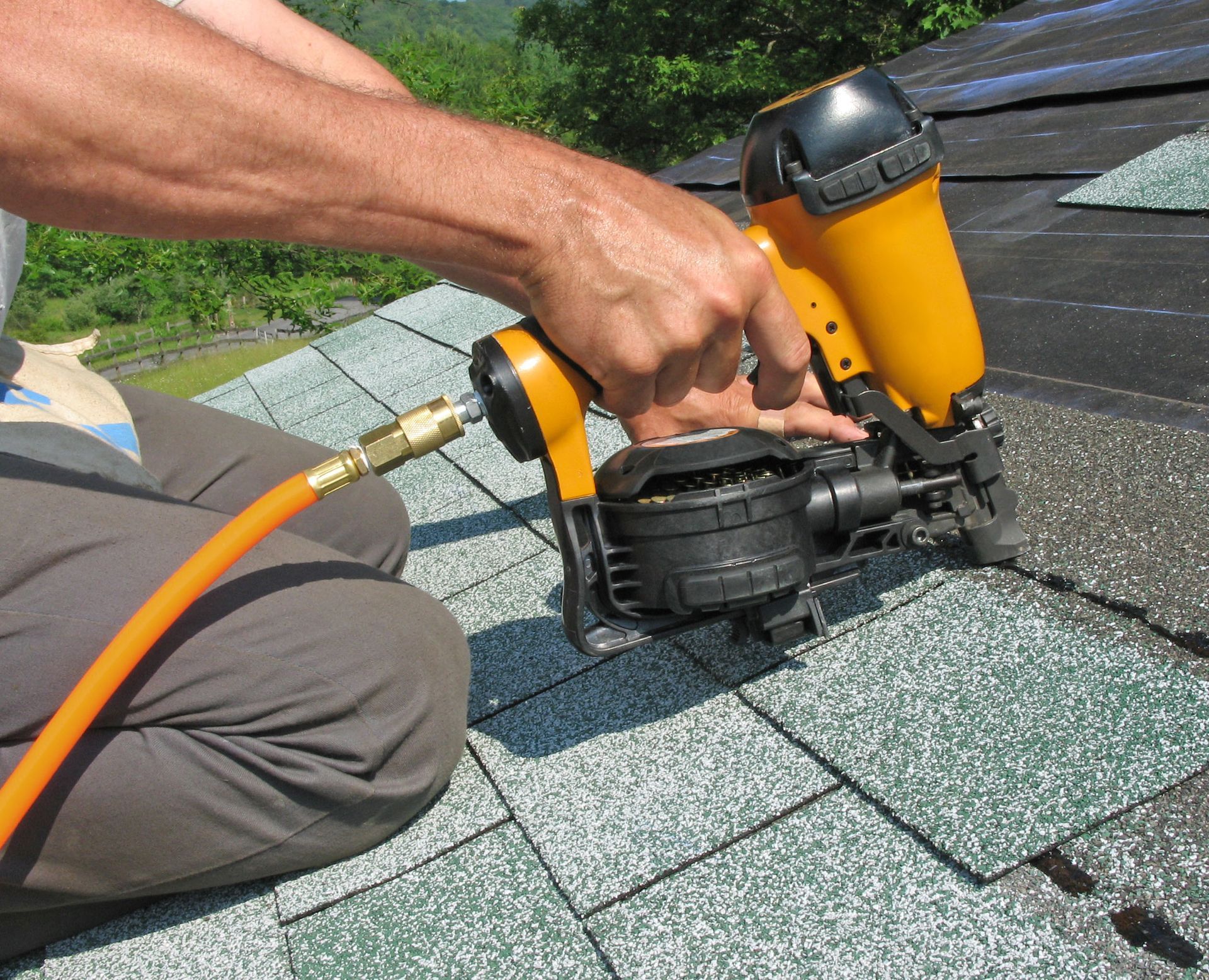
The methods used to fasten metal roofing materials can significantly affect performance and longevity. Secure fastening ensures that the roof remains intact during adverse weather conditions, preventing material displacement. Various fastening techniques are available, including concealed or exposed fasteners, each offering different benefits in terms of aesthetics and functionality. Selection of the appropriate method should be made based on climate, roof design, and homeowner preference.
Exposed fasteners, commonly seen on metal roofing, offer simplicity in installation and are cost-effective. However, they require periodic inspection and maintenance to ensure seals remain intact. Concealed fastening systems, while typically more expensive, provide better protection against weather elements since the fasteners are shielded beneath the roofing material. These systems help prevent water ingress and offer a sleek, modern appearance, enhancing both function and aesthetic value.
Correctly installed fasteners significantly contribute to the roof's durability by maintaining structural integrity under various loads. Whether the load comes from wind, snow, or added features such as solar panels, well-secured fasteners ensure stability. Professional installation of these systems is critical, as the improper application can lead to premature failure and costly repairs. Choosing the appropriate fastening method is an informed decision that directly influences the long-term resilience of a metal roof.
2.3. Underlayment and Insulation
Underlayment is a vital layer beneath a metal roof that contributes to its overall performance and longevity. This layer provides additional protection against water and ice dams, serving as a precautionary barrier. Various types of underlayment, such as felt, synthetic, or self-adhering membranes, offer different strengths in water resistance and durability. Selecting the right underlayment ensures effective moisture management, reducing the risk of leaks.
Alongside underlayment, insulation plays a crucial role in enhancing the energy efficiency and comfort of a building. Proper insulation reduces heat transfer and minimizes energy consumption by maintaining stable internal temperatures. The synergy between quality underlayment and effective insulation promotes a protective environment that mitigates thermal expansion and contraction in metal roofs. This combination not only prolongs the roof's lifespan but also significantly enhances indoor comfort.
Investment in superior underlayment and insulation materials is a strategic decision for long-term durability. These components work together to secure the roofing system's performance against environmental stresses, reducing maintenance needs. Expert guidance ensures optimum selection and installation, aligning with regional weather patterns and energy efficiency goals. Homeowners benefit from reduced energy costs and improved building sustainability, a testament to the comprehensive advantages of well-chosen underlayment and insulation.
The longevity of a metal roof is not solely reliant on the material itself. Other factors such as the quality of installation, environmental conditions, and routine maintenance also play pivotal roles. By understanding these elements, homeowners can make informed decisions that preserve their roof's integrity for decades. If you want to learn more about what materials can help you maximize the time between
roof replacements, reach out to Bill Blanck Home Improvements LLC today!

Share On: