
6 Signs It May Be Time to Replace Your Roof
Your roof does its job quietly until a leak, missing shingle, or unexpected repair bill draws attention to it. Some problems can be fixed without replacing the entire system, while others suggest that the roof is nearing the end of its useful life. Understanding the difference helps you plan repairs before water damages your home. The following six warning signs can help you decide when to ask a professional about roof replacements and what to consider before moving forward.
1. Consider the Age of Your Roof
Knowing when your roof was installed provides a useful starting point, but its age should never be the only reason to replace it. Asphalt shingles, metal panels, tile, and other materials have different expected lifespans. Climate, maintenance, installation quality, and the condition of the roof structure also influence how long a system performs well. A roof exposed to repeated windstorms may age differently from one in a more sheltered location.
According to Today's Homeowner, roofs older than 20 years often require frequent repairs, making replacement a smarter long-term choice. That guidance is especially relevant when an aging roof has developed recurring problems. It does not mean every roof must be replaced on its twentieth birthday, particularly when different roofing materials have different service lives.
Check home records, past permits, or inspection paperwork for an installation date. If the history is unclear, a roofer can assess visible wear and provide a condition-based recommendation. Planned roof replacements give homeowners more time to compare options than an emergency caused by an active leak.
2. Look for Curling or Missing Shingles
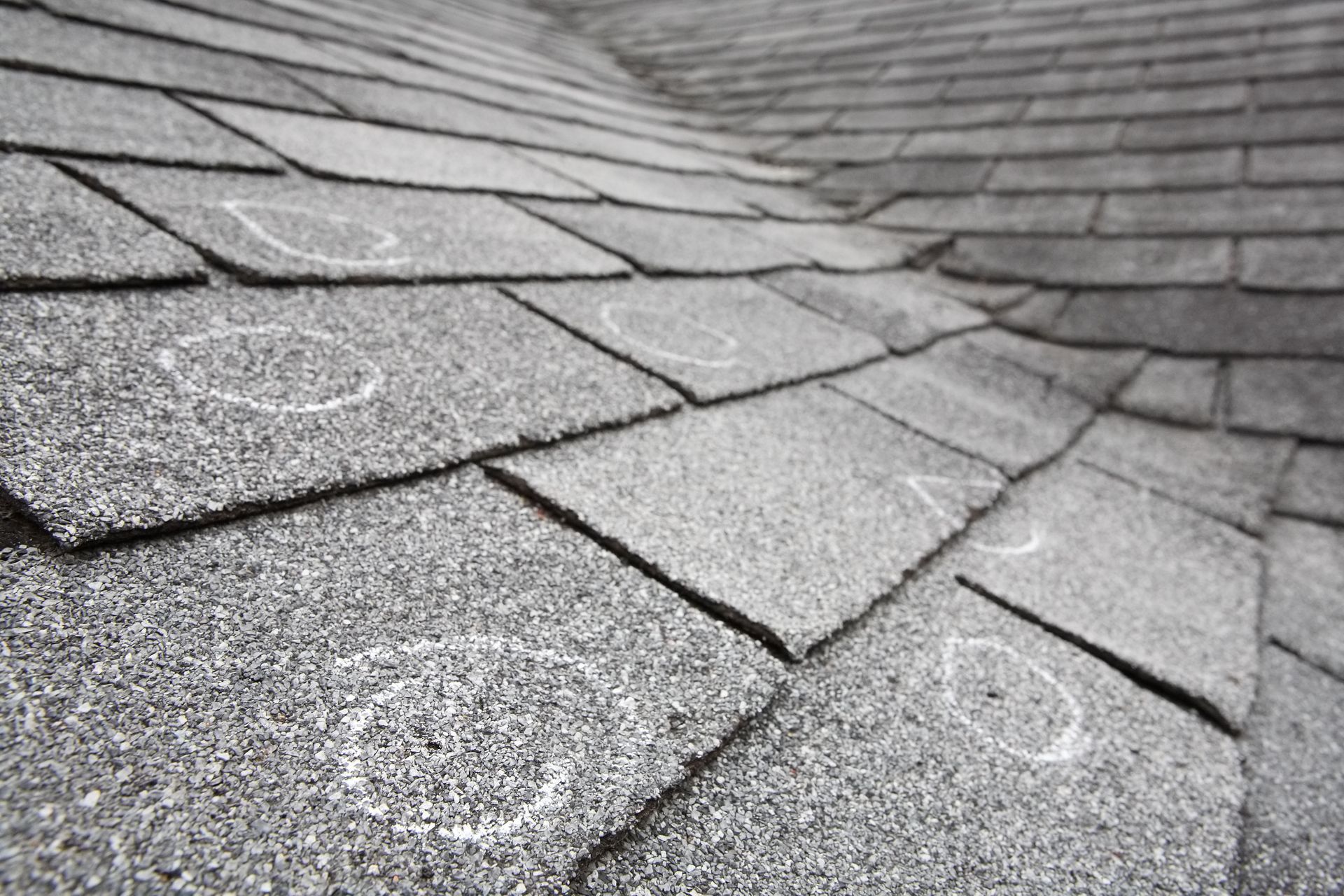
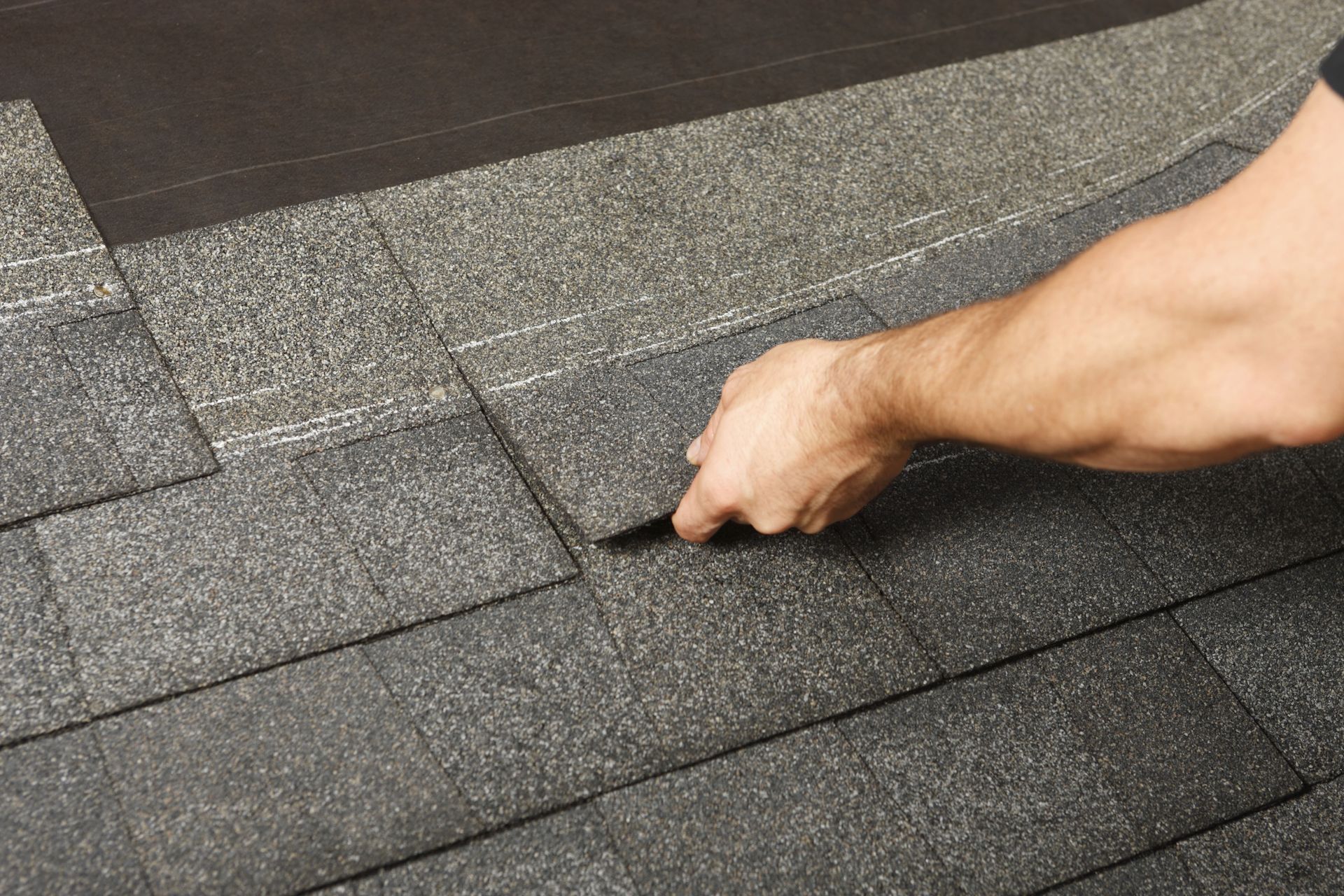
A few damaged shingles after a storm do not necessarily call for a complete new roof. However, widespread curling, cracking, loose tabs, or missing sections can indicate that the covering is no longer providing dependable protection. Strong wind, aging materials, and installation problems can contribute to these conditions. Damage across multiple slopes is generally more concerning than an isolated defect. Pay attention to patches where several neighboring shingles have failed, rather than treating every missing piece as unrelated.
Take a look from the ground or ask for photographs during a professional inspection. Avoid climbing onto the roof, especially when the surface is wet or visibly damaged. Note whether problems appear near valleys, roof edges, or penetrations, where water can find a path beneath the covering.
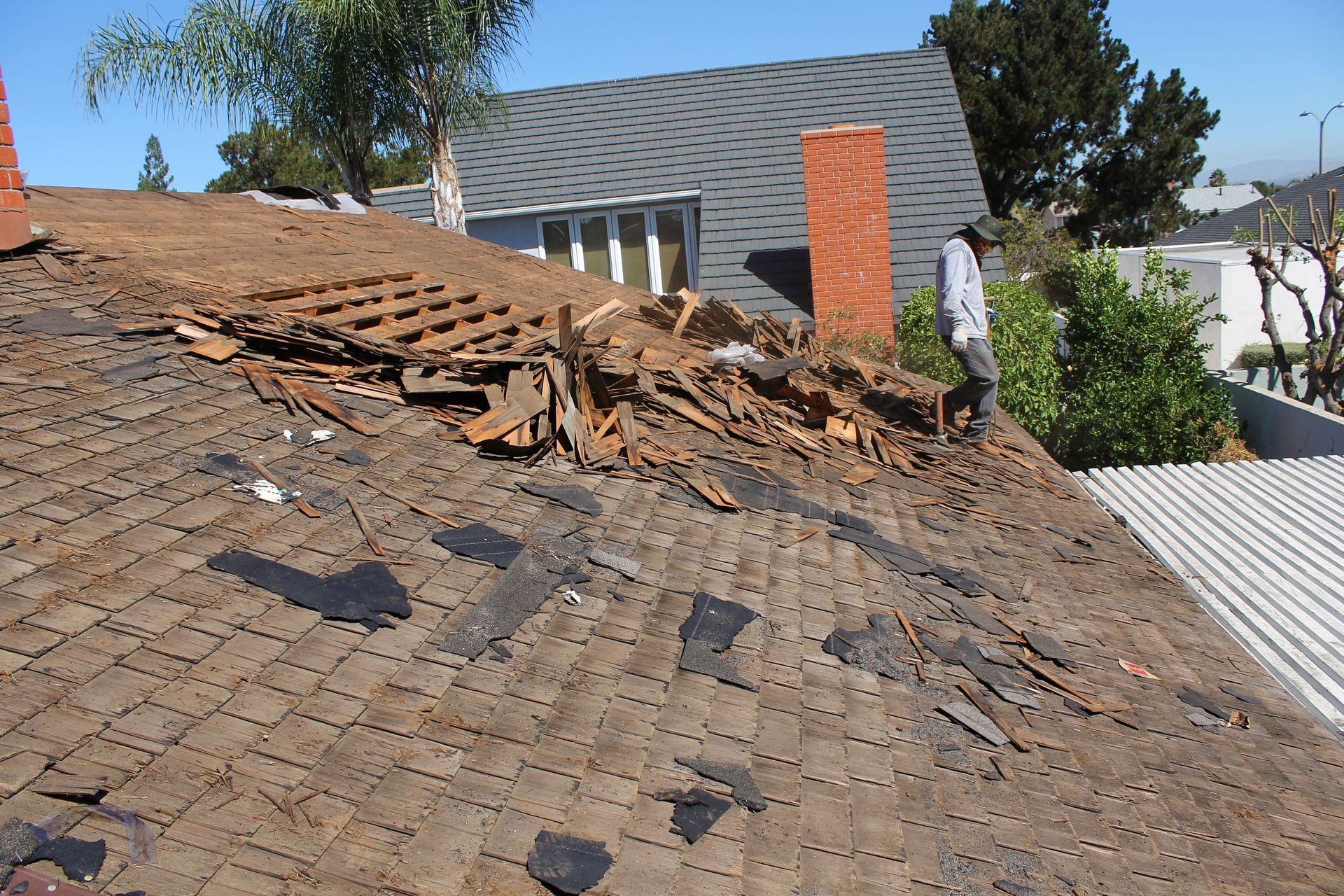
A qualified contractor can check whether surrounding shingles remain flexible and secure enough for a lasting repair. If repairs would leave extensive worn material in place, roof replacements may be worth comparing with the cost and expected durability of continued patching.
3. Investigate Leaks and Water Damage
Brown ceiling stains, damp attic insulation, peeling paint, or moisture around a chimney can signal a roofing problem. Water sometimes travels along rafters before it becomes visible indoors, so the stain may be far from the actual entry point. Condensation and plumbing leaks can cause similar symptoms, making an accurate diagnosis important.
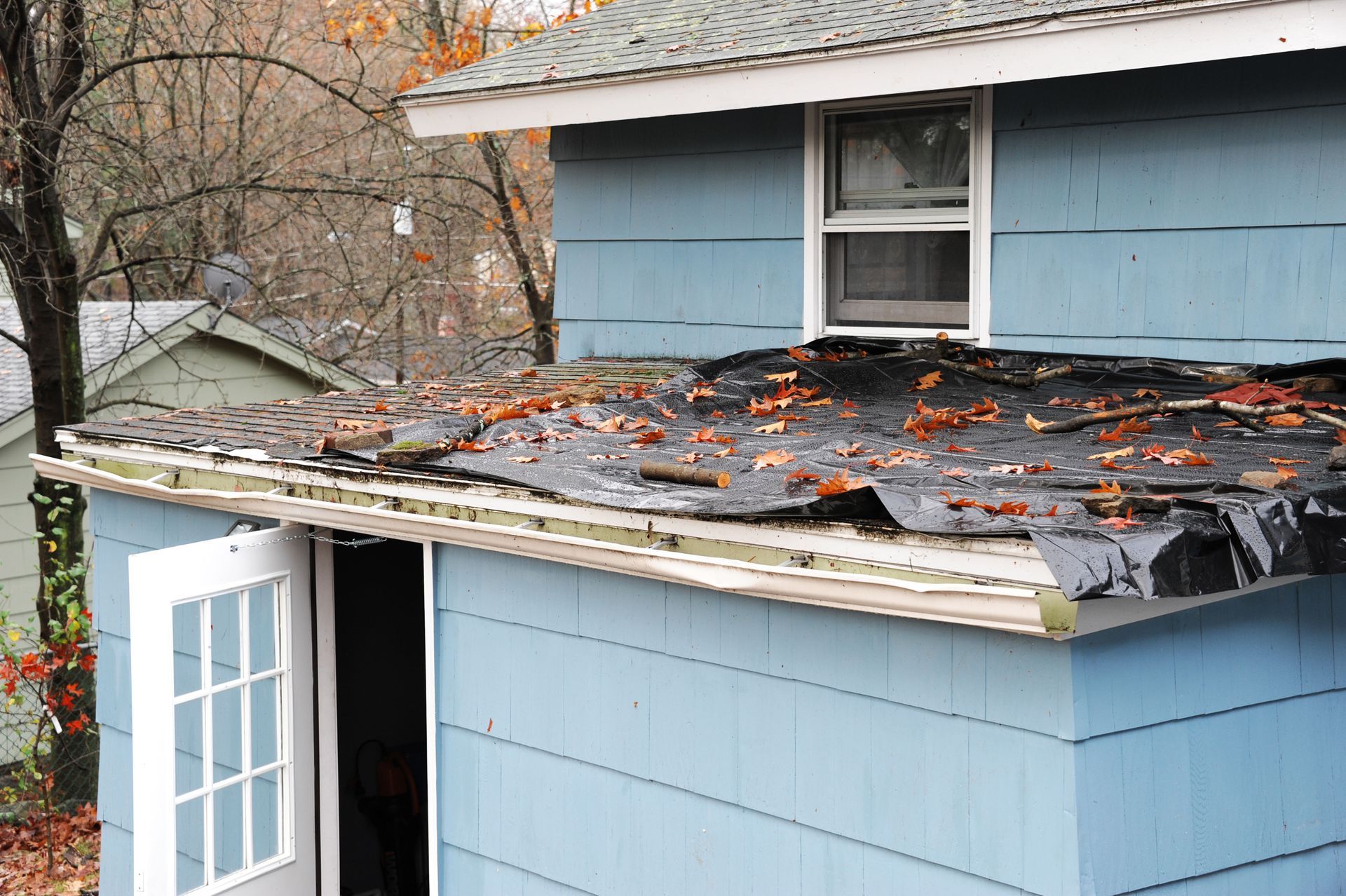
A leak at a single flashing joint or damaged vent boot may be repairable when the rest of the roof is sound. Repeated leaks in separate areas raise different concerns, especially if previous repairs have not held. Continued moisture exposure can damage wood decking, insulation, and interior finishes, increasing the work needed beyond the roof surface. If attic wood appears extensively stained or deteriorated, the inspection may also need to assess decking and framing.
Document when leaks appear, take photographs, and arrange an inspection promptly. Ask what caused the intrusion and whether the recommended repair addresses that cause. Roof replacements should be considered when widespread deterioration makes targeted repairs unlikely to provide dependable protection.
4. Examine Sagging and Structural Changes
An uneven roofline, visibly drooping section, or depressed area deserves prompt professional attention. Sagging can be associated with deteriorated decking, damaged framing, excessive loads, or structural issues that existed before the current roofing was installed. The appearance alone cannot establish the cause, and the correct solution may involve structural repairs rather than simply installing new shingles. Heavy snow accumulation can be another factor, especially when loads exceed what the structure was designed to support.
View the roof from a safe location and look for changes in its outline. Indoors, note bowed ceiling areas or new cracks, but remember that these signs can have other explanations. If you suspect significant structural movement, stay away from the affected area and contact a qualified professional rather than attempting an inspection yourself.
Before discussing roof replacements, ask whether the supporting structure needs additional evaluation and what repairs would be required. Placing new material over damaged framing does not correct the underlying problem. A written scope should distinguish structural work from replacement of the roof covering.
5. Check for Excessive Granule Loss
Asphalt shingles have mineral granules that help protect the underlying material from sunlight and weather. Some granule shedding is normal, particularly with a newly installed roof. Over time, however, extensive bare patches can signal that shingles are wearing out. You may notice sand-like particles near downspouts or in gutters, although their presence alone does not prove a roof needs replacement. Older photographs, when available, can help show whether areas of visible wear have become more extensive.
Look for broad, uneven areas where the surface seems worn, especially after storms. A professional can determine whether the material loss is localized, whether hail or foot traffic contributed, and whether the shingles still provide suitable protection. Coatings or sealants should not be assumed to restore badly deteriorated shingles.
When granule loss appears across large sections alongside cracking or leaks, roof replacements may offer a more durable solution than replacing individual tabs. An inspection can help separate ordinary aging from damage that requires attention now.
6. Assess Rising Energy Bills and Attic Conditions
Higher heating or cooling bills can prompt questions about the roof, but they do not automatically mean the covering is failing. Changes in weather, utility rates, thermostat settings, insulation, and HVAC performance can all affect energy use. A roof leak that wets attic insulation may contribute to heat loss or gain, while poor air sealing can create discomfort even beneath an otherwise functional roof. Ask whether attic insulation is dry before assuming that new shingles will improve energy performance.
Check for obvious moisture stains, damp insulation, and noticeable changes in attic conditions from a safe, accessible location. A home energy assessment can help distinguish roof-related concerns from ventilation, insulation, or mechanical issues. Replacing shingles alone will not solve every comfort problem.
If an inspection identifies widespread roof damage along with moisture-compromised materials, ask how the proposed work will address both issues. When evaluating
roof replacements, clarify whether decking repairs, ventilation adjustments, or insulation work are separate parts of the project and which improvements are actually necessary.
Make a Replacement Decision Based on the Evidence
No single warning sign automatically calls for a new roof. Age, visible damage, leak history, structural condition, and repair costs should be considered together. Ask for photographs, an explanation of the underlying problem, and written estimates that distinguish repair from replacement. That information makes it easier to weigh short-term expense against likely future maintenance.
Bill Blanck Home Improvements LLC can help homeowners discuss roof conditions and practical next steps. If you are weighing another repair against a larger project, request a professional assessment so your decision reflects the condition of your home rather than a guess based on age alone.








Share On: