
The Complete Checklist for Stress-Free Roof Replacements
Maintaining a home’s structural integrity begins with preserving its primary barrier against severe weather, shifting seasonal temperatures, and moisture intrusion. A complete overhead renovation represents one of the most significant investments a property owner will make in the long-term health and value of their residence. While the prospect of managing a major construction project can feel overwhelming, proper planning transforms a potentially stressful endeavor into a smooth, structured process. Undertaking major roofing replacements requires a clear understanding of material performance, contractor qualifications, project timelines, and home preparation steps. By following a comprehensive checklist, homeowners can avoid unexpected expenses, minimize disruptions to daily routines, and ensure that their new installation delivers decades of reliable protection. Approaching the project systematically allows individuals to make informed decisions at every stage, turning a complex home improvement project into a manageable, rewarding upgrade that enhances curb appeal and interior safety.
Assessing Current Conditions
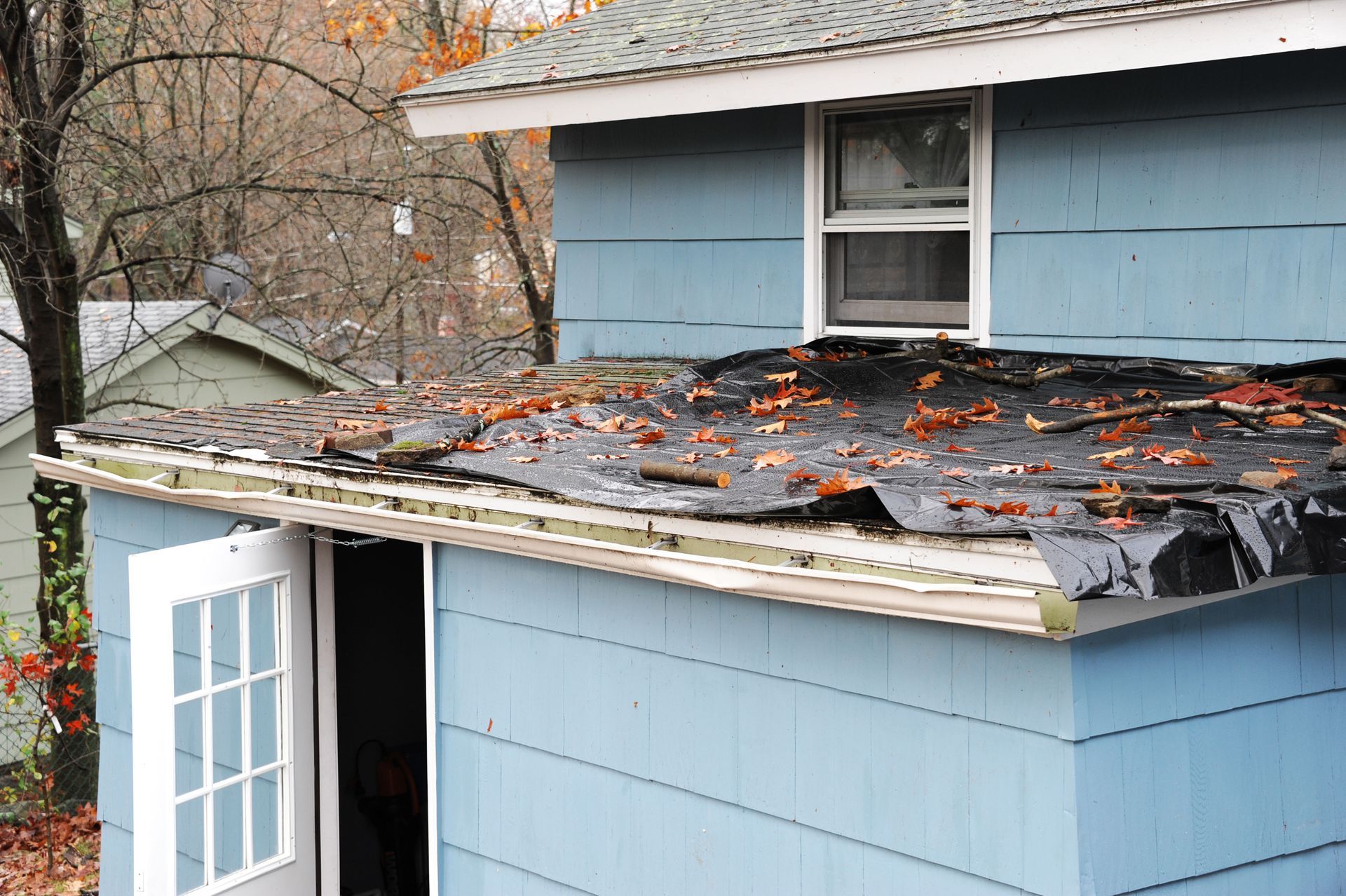
A successful overhead renovation begins with a thorough evaluation of the existing structure to identify hidden damage and establish project scope. Homeowners should look for visual indicators of advanced wear, such as curling shingles, granule loss in gutters, sagging rooflines, and water staining along interior ceilings or attic rafters. Engaging a licensed professional to conduct an on-site inspection guarantees that underlying plywood decking, flashing details, and ventilation pathways are carefully evaluated before any new material is installed. Discovering structural rot or compromised sheathing early prevents unexpected delays once old materials are removed. Inspecting attic insulation and ventilation balance is equally important, as improper airflow accelerates material degradation and increases household energy costs over time. Documenting existing damage and understanding structural requirements sets a solid foundation for accurate project estimates and material selection. Performing a structural assessment also ensures that load capacities are verified, particularly if heavier roofing components are being considered for the new structure.
Selecting Premium Materials
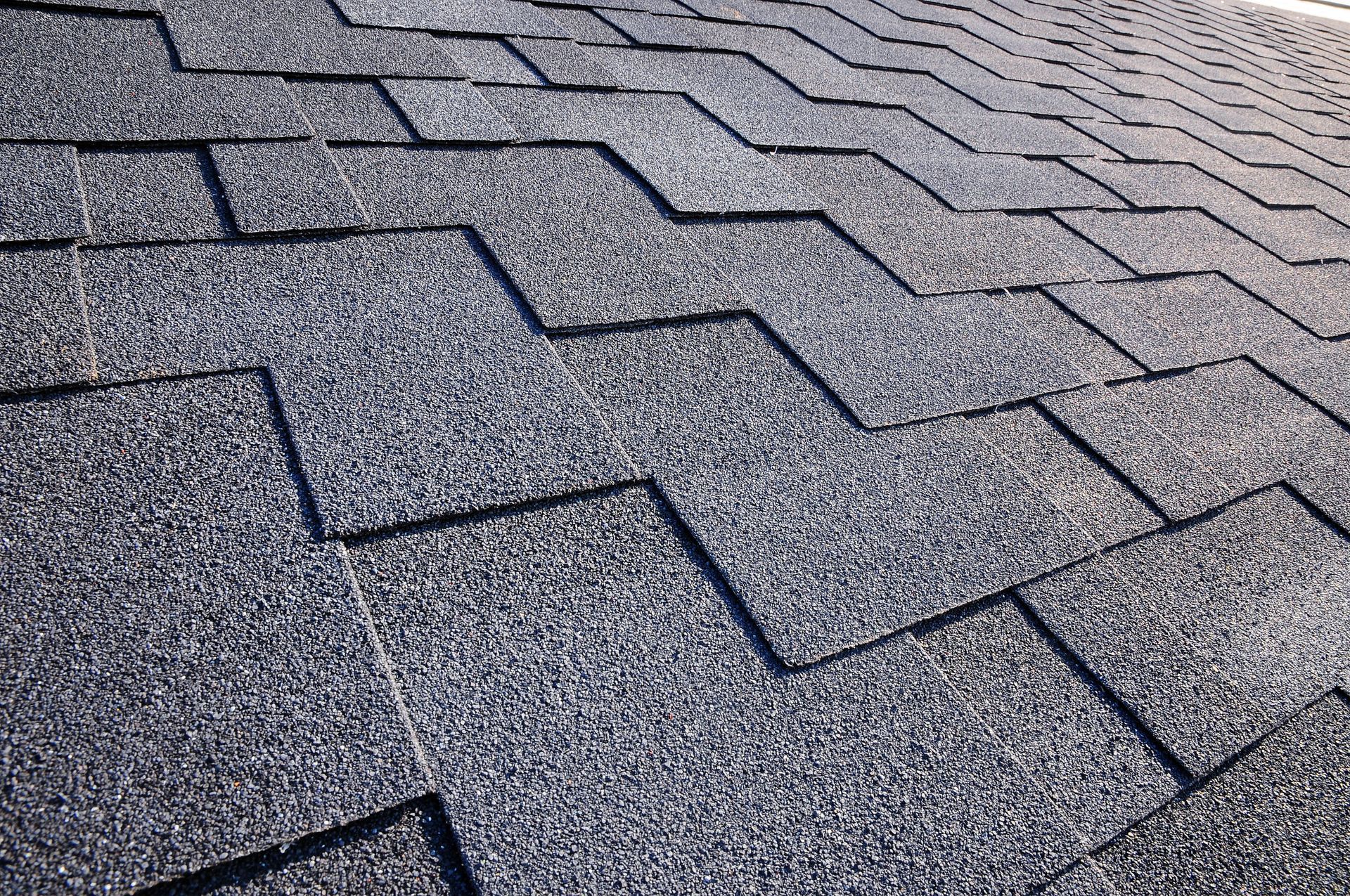
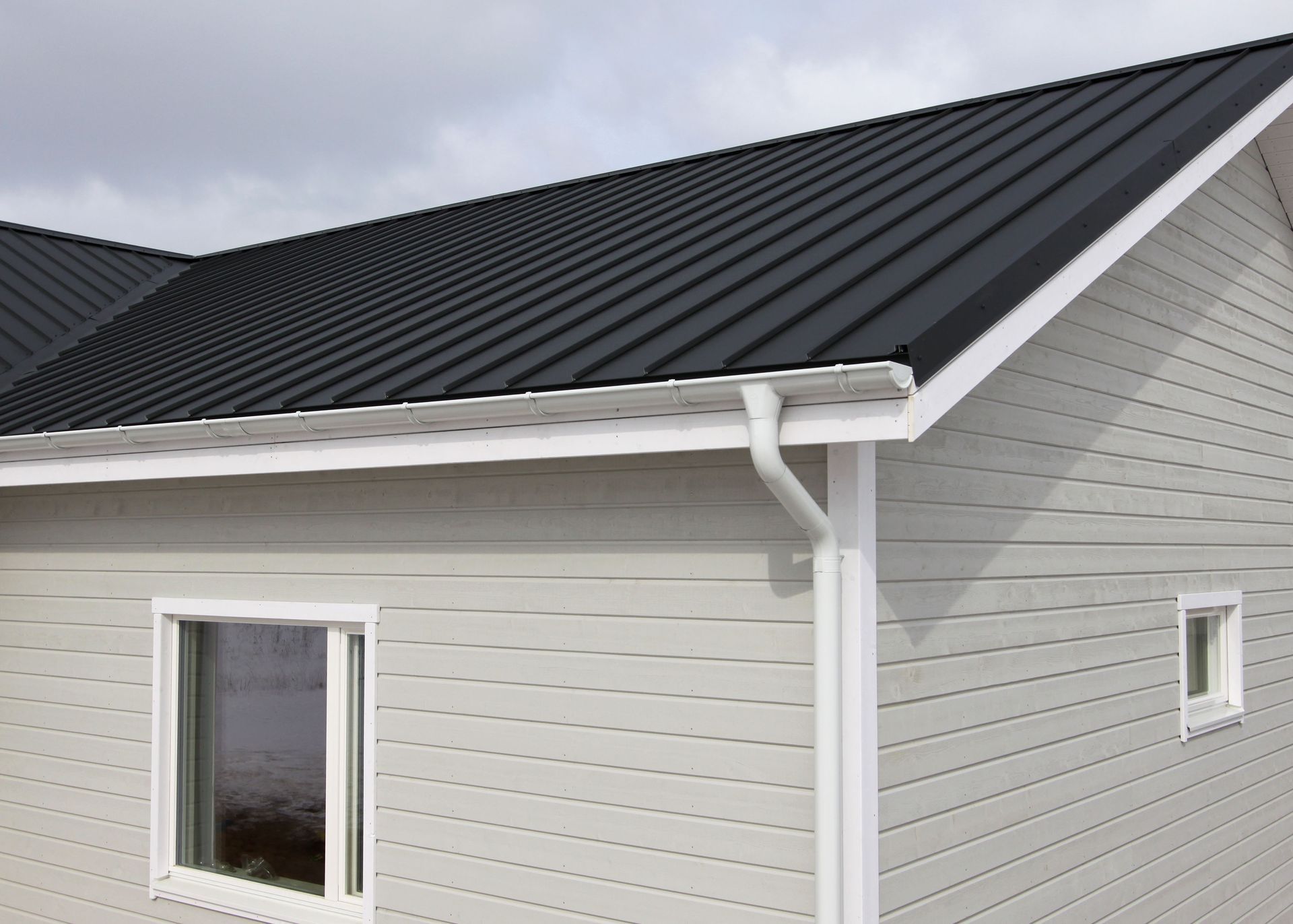
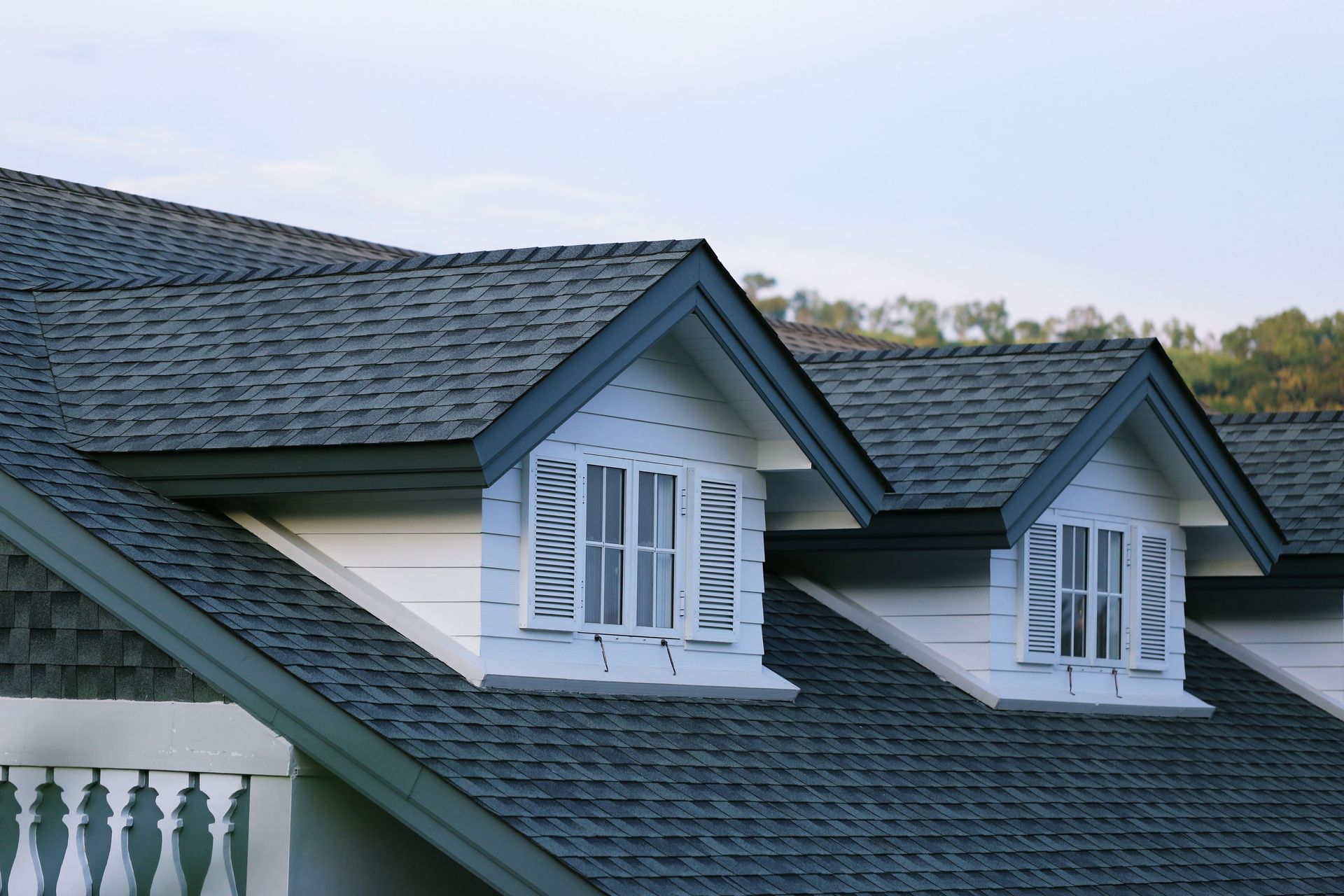
Choosing appropriate materials involves balancing aesthetic preferences, regional weather challenges, material longevity, and overall budget parameters. Traditional asphalt shingles remain a widespread choice due to their versatility, ease of installation, and cost-effectiveness. However, alternative materials offer distinct advantages for homeowners seeking enhanced durability and architectural distinction. According to This Old House, metal roofing is the second-most popular material for both residential and commercial roofs. Evaluating options such as dimensional shingles, natural slate, synthetic polymers, or metal panels helps property owners choose a solution tailored to their specific environment. When planning major roofing replacements, selecting high-performance underlayment, ice and water shields, and durable drip edges is just as critical as choosing surface materials. High-quality accessory materials create an impermeable barrier that protects vulnerable valleys, chimneys, and wall intersections from driving rain and ice dams. Investing in superior underlayment products safeguards the structure even if severe storms dislodge primary surface shingles.
Vetting Licensed Contractors
Partnering with a reputable, fully insured contractor is the single most important factor in securing a flawless installation and protecting your financial investment. Property owners should request proof of active liability insurance, workers' compensation coverage, and state licensing before signing any contracts. Checking local references, reading recent customer reviews, and reviewing portfolios of completed local projects provides insight into a contractor’s workmanship and professionalism. Evaluating warranty offerings is equally crucial, as comprehensive protection should cover both manufacturing defects in the materials and installation workmanship. A trustworthy contractor provides detailed written proposals outlining scope of work, project timelines, cleanup protocols, and payment schedules without demanding full payment upfront. Establishing open lines of communication with project managers before work begins ensures that questions are addressed promptly and expectations remain aligned throughout the construction process. Reliable contractors welcome thorough questioning and readily provide clear documentation regarding their credentials and manufacturer certifications.
Preparing Property Grounds
Preparing the surrounding property before installation crews arrive prevents accidental damage to landscaping, outdoor furniture, and personal vehicles. Homeowners should clear driveways and patio areas to provide adequate parking for work trucks, dumpsters, and material delivery vehicles. Trimming overhanging tree branches gives workers unobstructed access to the work area and prevents falling limbs from damaging newly installed materials. Moving outdoor furniture, grill equipment, potted plants, and garden decorations away from the perimeter of the house protects valuable items from falling debris. Marking subterranean sprinkler heads, septic tanks, and delicate flower beds with bright flags helps work crews avoid sensitive areas when positioning ladders and heavy machinery. Covering surrounding shrubs and garden beds with heavy-duty tarps catches stray nails and old shingles, making post-installation cleanup faster and more efficient. Taking these site preparation measures protects your property assets and creates an efficient environment for the roofing crew.
Securing Home Interiors
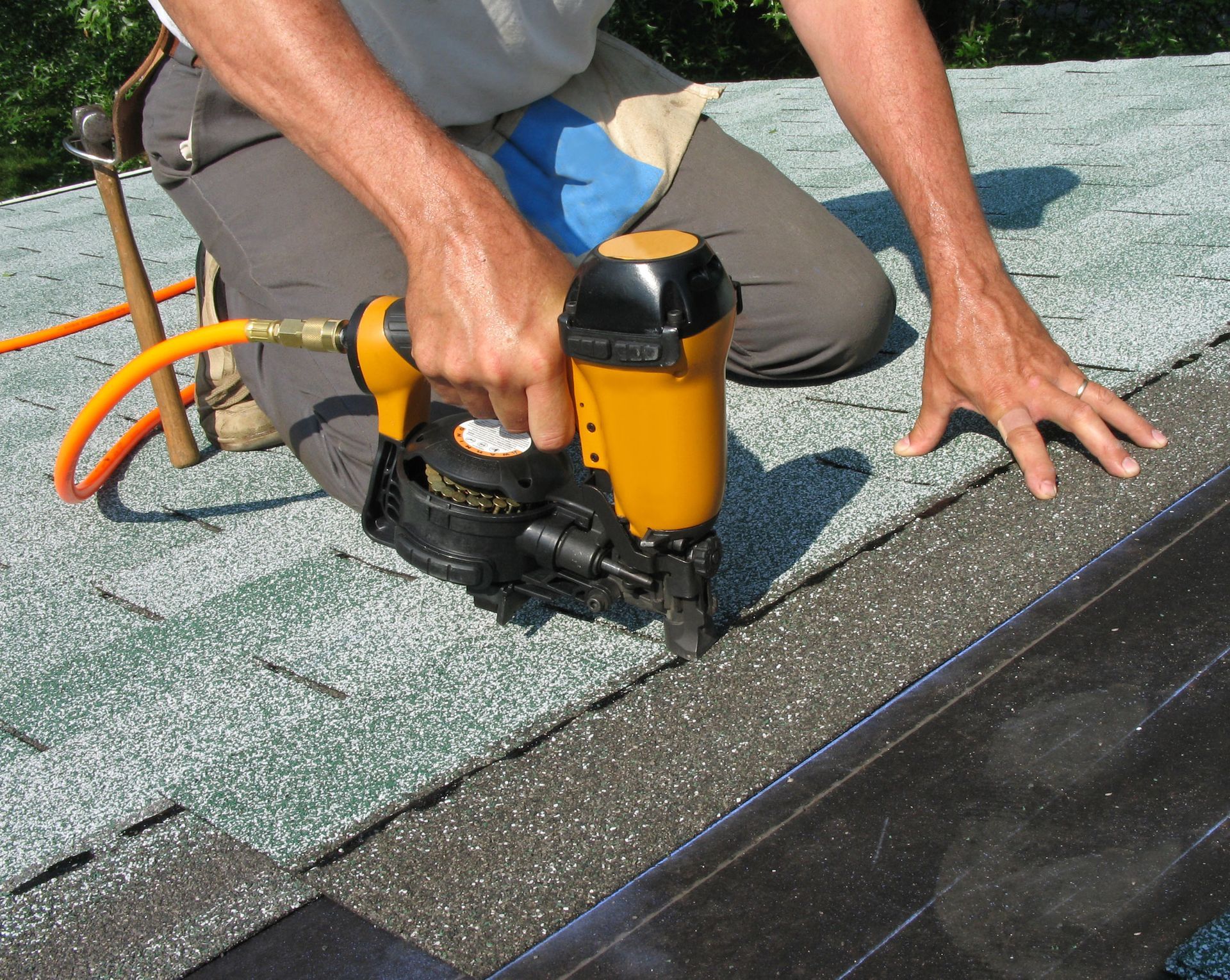
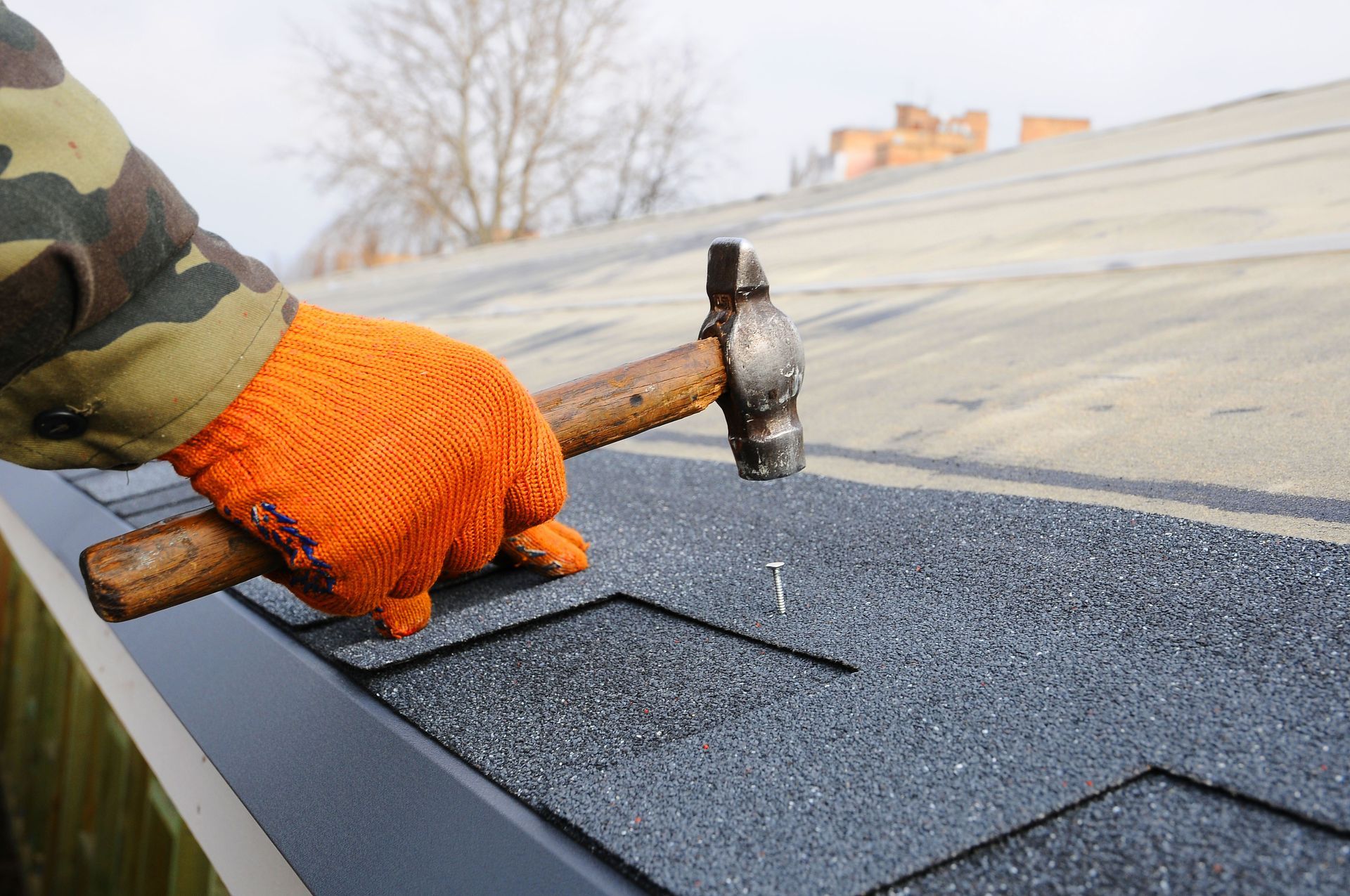
The heavy vibration caused by stripping old materials and hammering new shingles can disturb interior walls and living spaces throughout the home. Homeowners should take proactive measures indoors to prevent damage to delicate decor, light fixtures, and wall hangings. Removing picture frames, mirrors, and wall-mounted artwork on upper floors prevents items from falling due to structural vibrations. Securing glass lamps, delicate collectibles, and loose items stored on high shelves offers additional protection against sudden movements. Covering stored items in the attic with plastic drop cloths shields seasonal decorations and personal belongings from falling sawdust, small nails, and roof debris that sift through decking gaps during tear-off. Communicating with family members and preparing pets for elevated noise levels creates a calm, safe environment while construction is actively underway. Taking time to safeguard interior rooms prevents accidental breakage and ensures total peace of mind throughout the renovation.
Executing Final Inspections
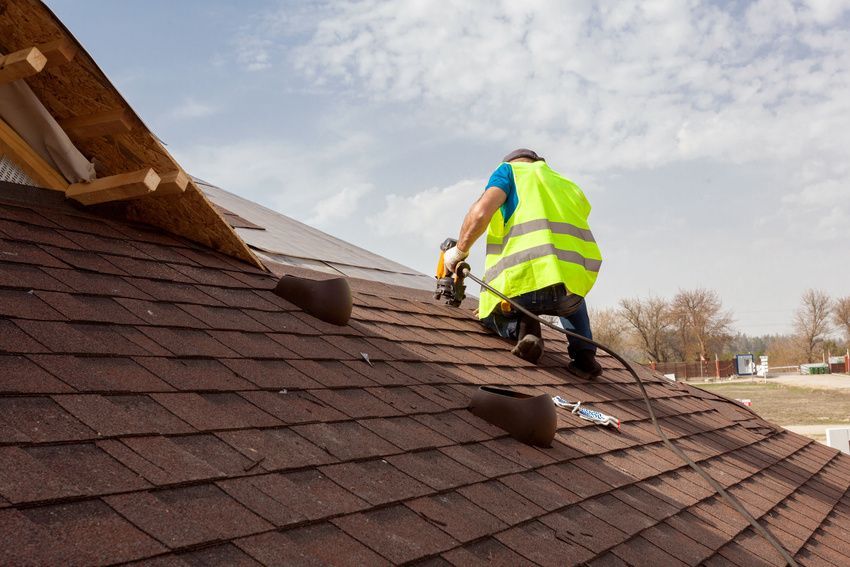
Once installation is complete, a meticulous final walkthrough ensures that all work meets established quality standards and contractual agreements. Homeowners should inspect the finished installation from ground level, checking that ridge caps are straight, flashing is neatly integrated, and overall appearance is uniform. Confirming that gutters, downspouts, and valley drainage paths are completely clear of nails, shingle granules, and wood debris guarantees proper water shedding during the next rainstorm. Professional contractors utilize magnetic rolling sweepers across lawns, flower beds, and driveways to collect dropped nails and metal fragments, protecting tires, pets, and bare feet. Requesting completed warranty documentation, lien waivers, and building permit sign-offs provides final peace of mind before settling the final balance. Conducting a systematic post-construction review confirms that your new overhead system is built to last and fully backed by professional guarantees.
Understanding Long-Term Maintenance
Sustaining the performance and lifespan of your new overhead system requires establishing a routine inspection and preventative maintenance schedule. While modern roofing replacements feature advanced weather resistance and extended manufacturer warranties, periodic care remains essential for catching minor issues before they escalate into costly repairs. Homeowners should clear leaves, twigs, and organic debris from roof valleys and gutter networks every spring and autumn to maintain unrestricted drainage pathways. Clogged gutters trap standing water against eave edges, promoting rot along fascia boards and accelerating shingle granule deterioration.
Executing a successful overhead renovation requires careful organization, quality material choices, and expert trade execution from start to finish. By systematically working through site evaluations, contractor vetting, ground preparation, and final quality inspections, property owners can navigate the construction process with complete confidence and ease. Investing in high-grade materials and professional installation protects your home from harsh environmental elements, improves energy efficiency, and enhances overall market value for years to come. Planning ahead eliminates surprise expenses and ensures that your property remains a safe, dry, and comfortable sanctuary for your family. When you are ready to embark on seamless roofing replacements, trust the dedicated team at Bill Blanck Home Improvements LLC to deliver exceptional craftsmanship, premium materials, and stress-free service tailored specifically to your home's unique needs.









Share On: