
Signs Your Roof is Due for a Replacement
A roof plays an essential role in protecting a home from rain, wind, changing temperatures, and other environmental conditions. Over time, roofing materials naturally deteriorate, and damage can develop that routine maintenance may no longer adequately address. Recognizing the warning signs early helps homeowners plan improvements before roofing problems affect other parts of the property. Understanding when repairs may no longer be sufficient can also help you make informed decisions about the condition and future performance of your roof.
Recognizing Aging Shingles and Surface Deterioration
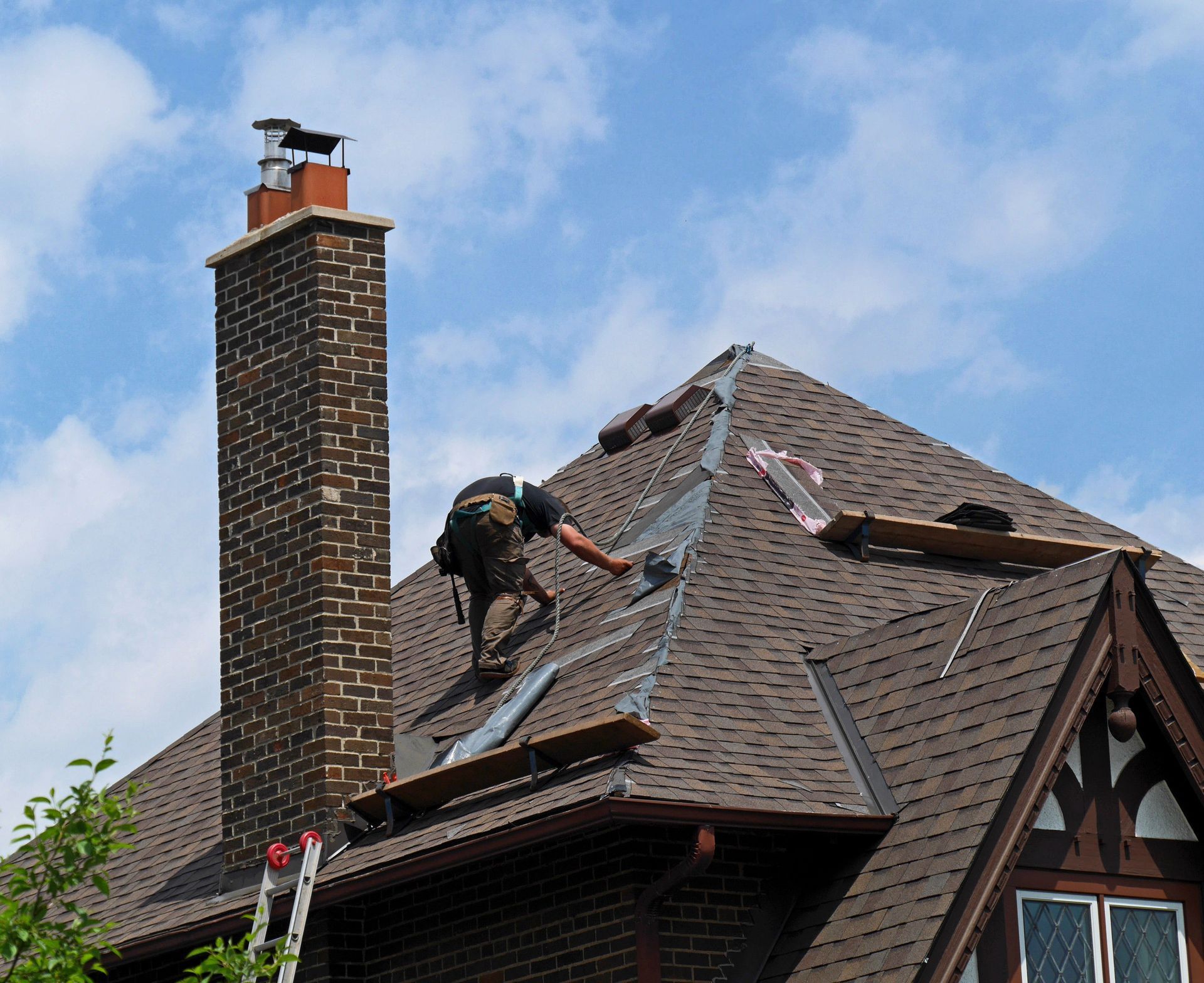
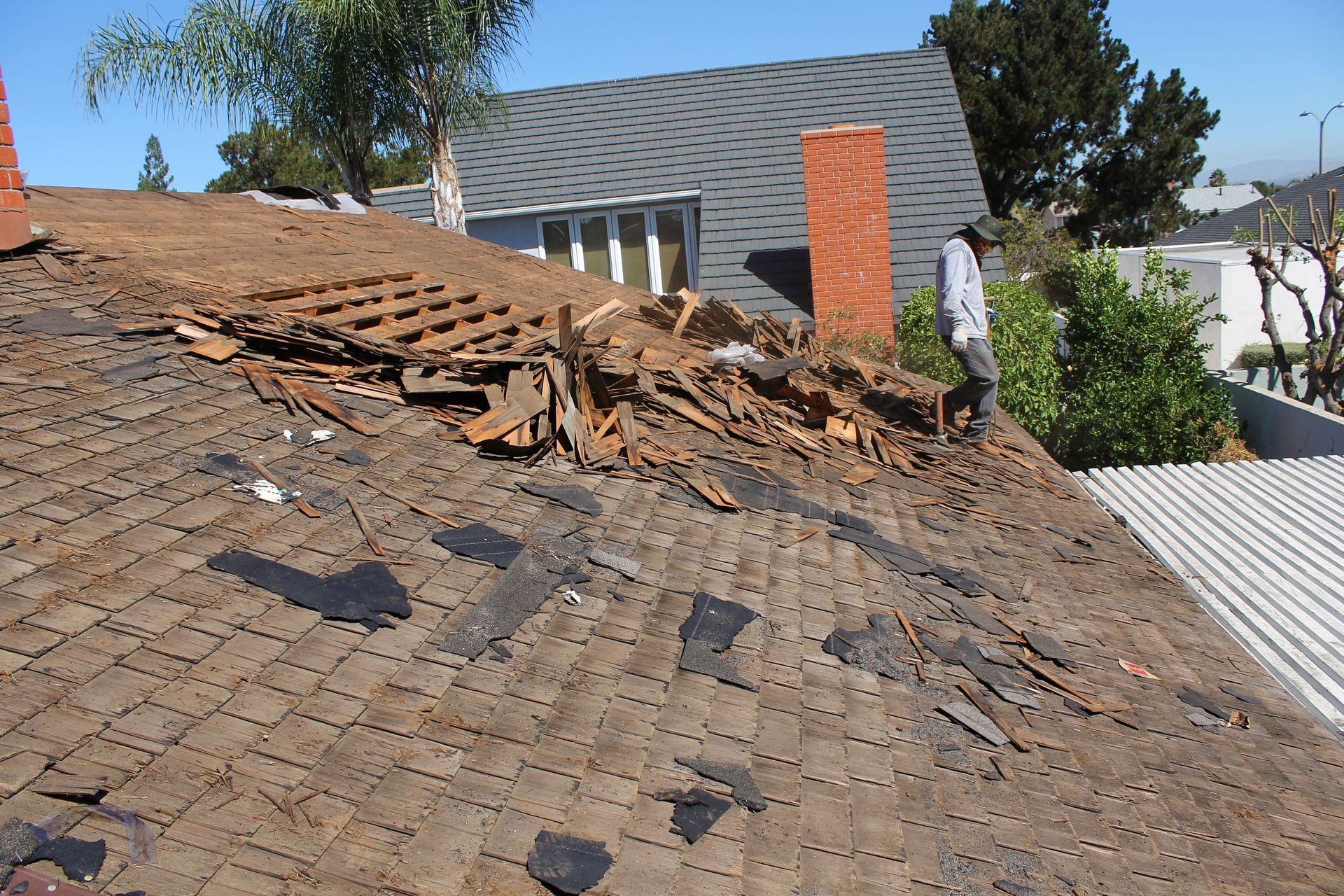
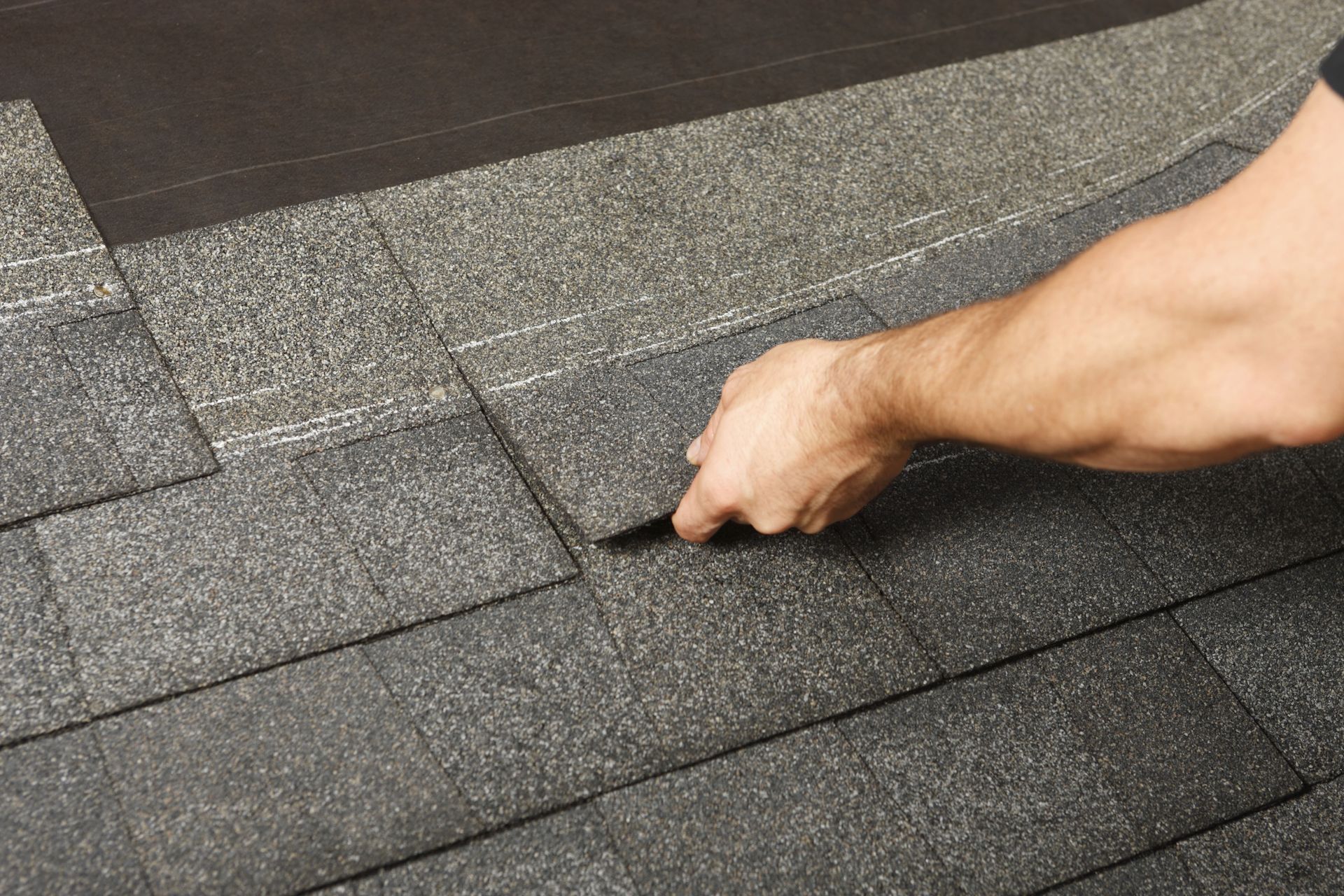
One of the clearest signs of an aging roof is visible deterioration across the shingle surface. Asphalt shingles may begin to curl, crack, blister, or lose the granules that protect them from sunlight and weather exposure. A few damaged shingles may be repairable, but widespread deterioration can indicate that the roofing system is approaching the end of its useful life. When these conditions appear across multiple sections, a professional inspection can help determine whether repairs remain practical or a larger project is warranted.
Roofing materials also have different expected lifespans, so age should be considered alongside their current condition. According to Forbes, roofing shingles generally have a service life of up to about 30 years before replacement becomes necessary, although actual longevity varies with material quality, installation, climate, and maintenance. A roof approaching this age deserves careful evaluation, even if major leaks have not appeared. Planning ahead gives homeowners more time to compare suitable materials and arrange work before deterioration becomes more disruptive.
Identifying Leaks and Interior Water Damage
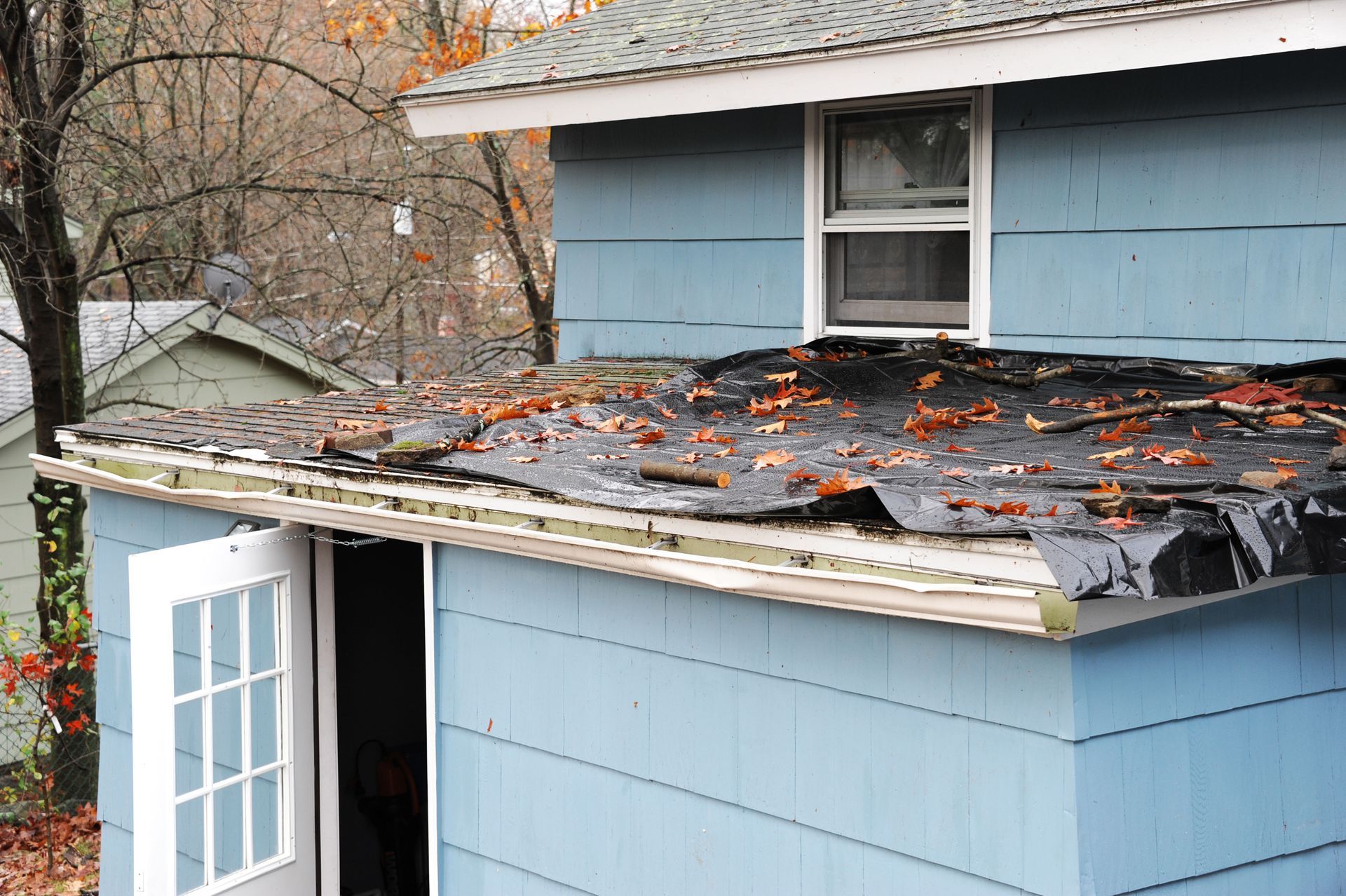
Water stains on ceilings, discolored walls, peeling paint, and damp attic insulation can indicate that moisture is entering through the roof. Some leaks appear directly beneath the damaged area, while others travel along rafters or roof decking before becoming visible indoors. Recurring moisture problems deserve prompt professional attention because prolonged exposure can damage building materials and create conditions that encourage mold growth. An inspection can help determine whether the source is a localized defect or a broader roofing problem.
A single leak does not automatically mean the entire roof needs to be replaced. However, multiple leaks, recurring water intrusion, or deterioration across several roof sections may indicate that the roofing system is no longer performing reliably. A professional can evaluate the shingles, flashing, underlayment, and other relevant components to understand the extent of the problem. This assessment helps homeowners decide whether targeted repairs are appropriate or whether a more comprehensive solution would provide better long-term protection.
Noticing Missing Shingles and Storm Damage
Strong winds, hail, falling branches, and severe weather can damage roofing materials in different ways. Missing shingles may expose the layers beneath them, while hail impacts can bruise shingles or dislodge protective granules. Even when damage is not obvious from the ground, compromised roofing materials may allow water to enter during subsequent rainfall. After a significant storm, a professional inspection can help identify problems that could otherwise go unnoticed.
The extent and distribution of storm damage matter when determining the next steps. A few isolated areas may be suitable for repair, whereas widespread damage across an aging roof may justify considering roof replacement. Homeowners should also pay attention to damaged flashing, displaced ridge caps, and debris-related impacts around vulnerable roof features. Prompt evaluation helps clarify the condition of the roofing system and reduces the risk of leaving damaged areas unaddressed.
Observing Sagging Rooflines and Structural Concerns
A roofline that appears uneven or visibly dips in certain areas may signal a problem beyond ordinary shingle wear. Possible causes include deteriorated roof decking, prolonged moisture exposure, damaged structural components, or excessive loads. These conditions require professional evaluation because the underlying issue may affect the roof's stability as well as its ability to keep water out. Visible sagging should not be treated as a cosmetic concern without determining its cause.
The appropriate response depends on the severity and location of the problem. Replacing roofing materials alone may not resolve damage to the underlying structure, so the affected components must be assessed before work begins. A qualified roofing professional can explain whether repairs, structural work, or a more extensive project may be necessary. If significant sagging or signs of instability appear, homeowners should keep clear of the affected area and seek prompt professional guidance.
Examining Flashing and Roof Ventilation
Flashing protects vulnerable transitions around chimneys, skylights, vents, and roof intersections. When flashing corrodes, separates, or becomes damaged, water can enter around these features even if the surrounding shingles appear intact. Repeated leaks in the same location may indicate that flashing or the surrounding roofing assembly needs attention. A professional inspection can establish whether the issue is isolated or connected to broader material deterioration.
Ventilation also influences how well a roofing system performs over time. Inadequate attic ventilation can contribute to heat and moisture buildup, potentially accelerating material deterioration and creating conditions for condensation. Excessive moisture in an attic may also indicate that ventilation, insulation, or air leakage needs further evaluation. Addressing these factors alongside roof repairs or roof replacement planning can help support the performance of the new roofing system.
Evaluating Rising Maintenance Needs and Repair Frequency
An occasional repair does not necessarily indicate that a roof has reached the end of its useful life. However, repeated service calls for leaks, loose shingles, damaged flashing, and other recurring problems may suggest that deterioration is becoming widespread. As a roof ages, the cost and disruption associated with ongoing repairs can become increasingly difficult to justify. Reviewing the roof's overall condition helps homeowners understand whether continued maintenance remains a practical option.
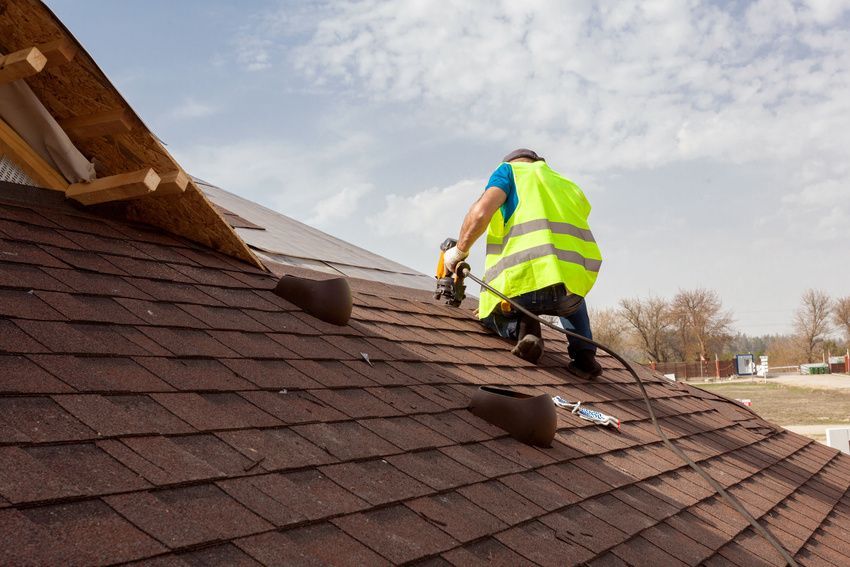
A professional assessment should consider both the visible damage and the condition of the roofing system as a whole. If multiple components are failing or repairs are no longer addressing recurring problems, a roof replacement may offer a more comprehensive solution. The decision should account for the roof's age, material type, installation history, and remaining performance. Understanding these factors helps homeowners plan the work according to the property's needs rather than waiting for a major failure.
Planning for Replacement Before Major Failure
Waiting until a roof develops extensive leaks can make an already important home improvement more urgent. Water intrusion may affect ceilings, insulation, interior finishes, and other building components, creating additional work beyond the roofing project itself. Recognizing warning signs early gives homeowners more time to review recommendations, select appropriate materials, and schedule installation. Proactive planning can also reduce the likelihood of having to make major decisions during an emergency.
Recognizing signs of roof deterioration helps homeowners protect their properties and make informed decisions about maintenance. Curling shingles, recurring leaks, storm damage, sagging areas, and increasingly frequent repairs can all indicate that a professional evaluation is warranted. Not every problem requires a complete new roof, so an assessment of the existing materials and underlying structure is important. Understanding the condition of the roofing system allows homeowners to determine which solution best fits their home's needs.
At Bill Blanck Home Improvements LLC, we help homeowners evaluate roofing concerns and explore appropriate solutions for their properties. Our team can discuss visible damage, recurring leaks, aging materials, and the signs that may indicate a need for
roof replacement. We work with you to understand your goals and explain the next steps for your roofing project. Contact Bill Blanck Home Improvements LLC to discuss your roof's condition and plan the improvements needed to protect your home.







Share On: