

Why Hiring a Certified Roofing Contractor Beats a DIY Fix
Homeownership comes with a continuous stream of maintenance projects, from repainting living room walls to fixing leaky kitchen faucets. When structural damage or shingles begin to show signs of wear overhead, many property owners consider taking on the repair work themselves to save on upfront labor expenses. However, what seems like a simple afternoon project often turns out to be far more complex than anticipated. However, tackling major residential overhead structures without specialized training, safety gear, and structural expertise often leads to severe complications. What appears to be a straightforward patch job can quickly escalate into extensive structural damage, unaddressed leaks, and costly emergency repairs. Understanding why professional installation beats a self-executed repair is essential for protecting your property and financial investment over time.
Evaluating the True Structural Complexities of Roofing Systems
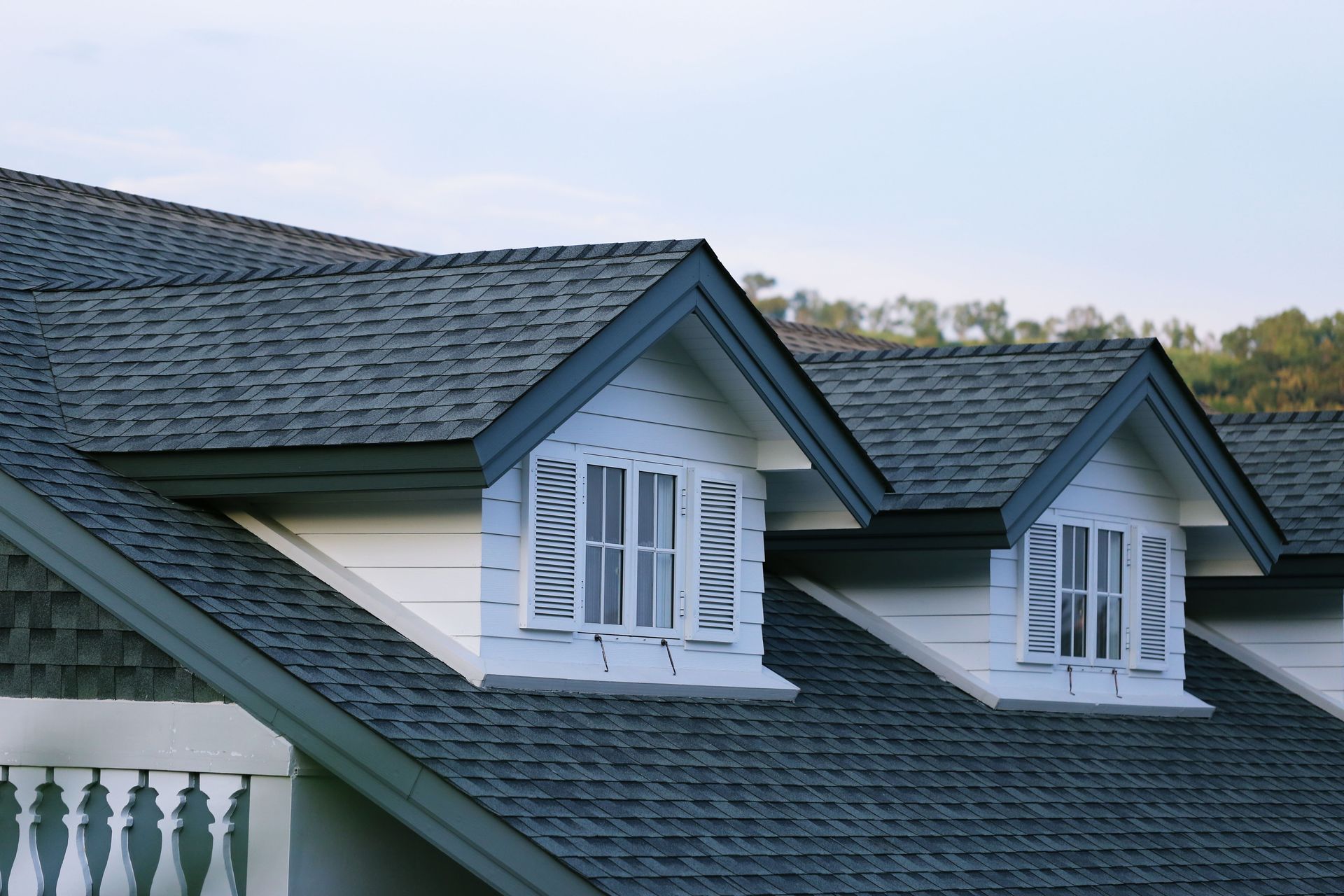
A residential roof is far more than a simple layer of shingles nailed onto wooden boards. It operates as an integrated system featuring complex components, including underlayment, ice and water shields, flashing, drip edges, ridge vents, and structural decking. Proper installation requires precise alignment, flashing integration around chimneys or skylights, and balanced attic ventilation to prevent heat buildup. Amateurs often miss subtle structural issues, such as subterranean wood rot, soft decking, or improper valley sealing. Hiring licensed roofing contractors ensures that every layer of the system is carefully evaluated and installed to local building code standards.
Recognizing the Extreme Safety Risks of Heights and Tools
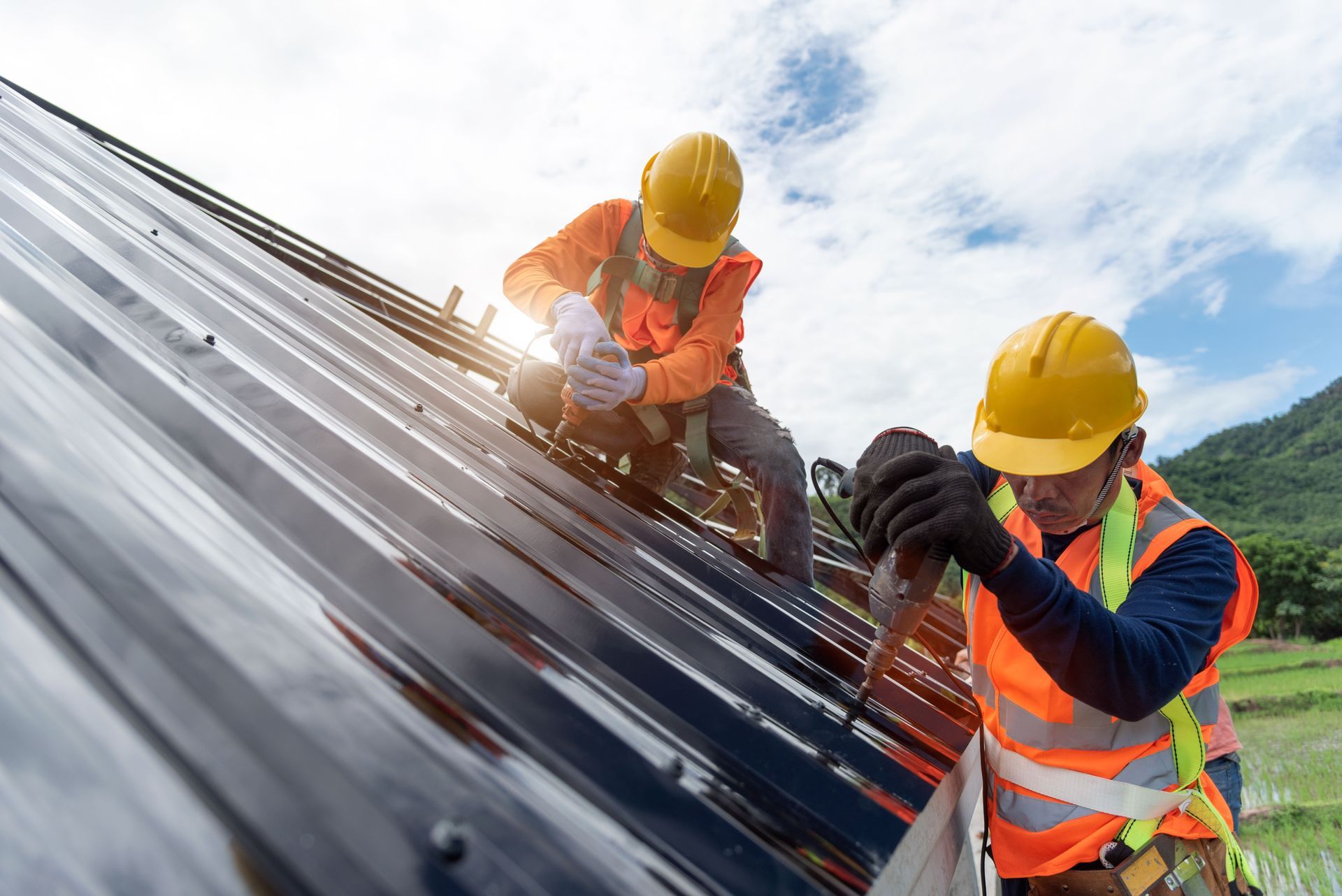
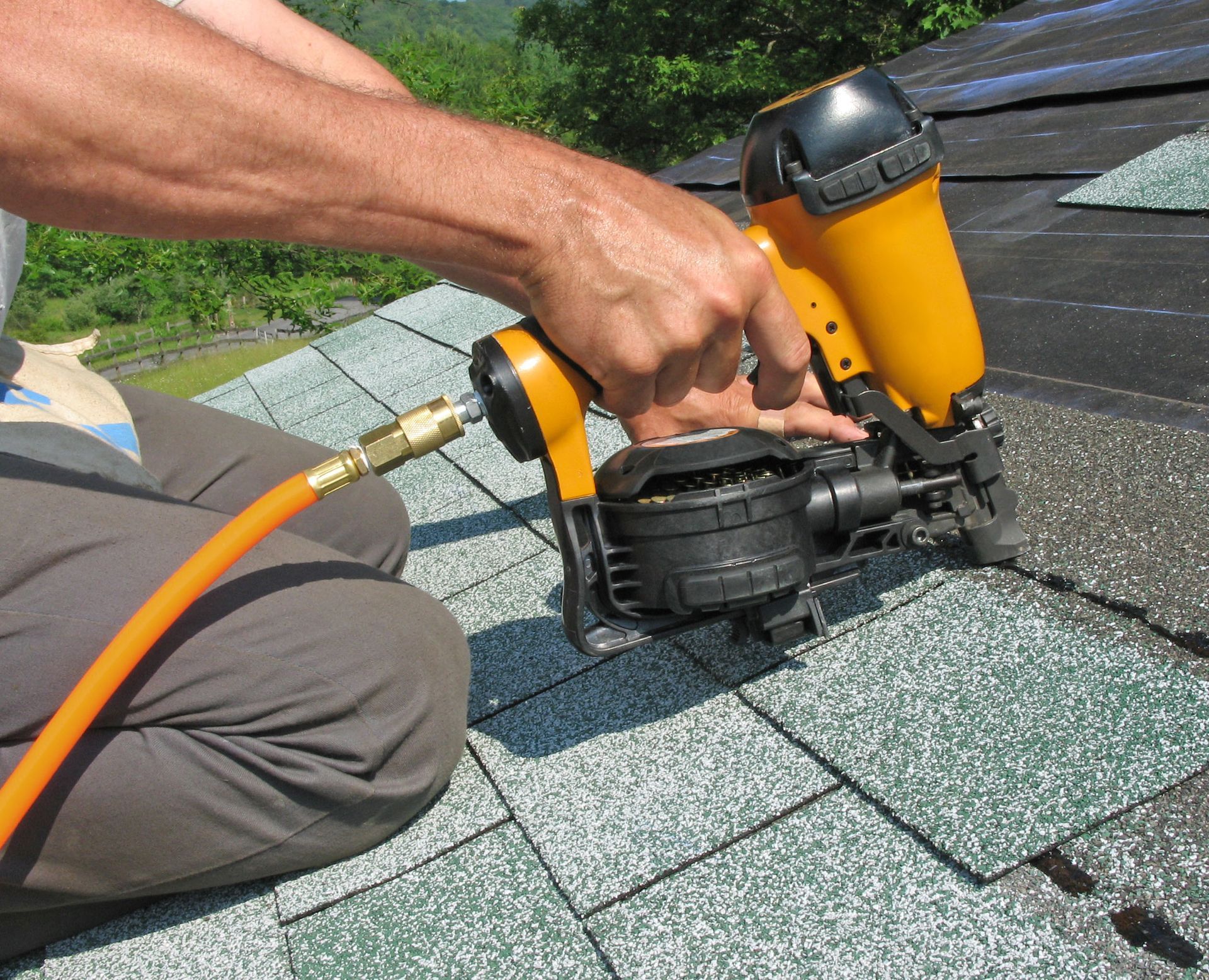
Working at elevation presents significant safety hazards for untrained individuals. Falling from ladders or roof edges remains one of the leading causes of severe residential injuries nationwide. Even experienced handymen can easily misjudge footing on steep pitches or loose shingle granules. Professional crews undergo rigorous safety training, utilize specialized harnesses, wear slip-resistant footwear, and employ scaffolding designed to handle high-pitch slopes and unpredictable wind gusts. Beyond height hazards, operating heavy pneumatic nail guns and tear-off equipment without proper technique increases physical risks. Experienced roofing contractors carry comprehensive worker compensation and liability insurance, protecting property owners from personal liability and medical costs in the event of an accidental site injury.
Calculating the Long-Term Costs of DIY Versus Professional Installation
While attempting a DIY patch may seem cost-effective initially, it often leads to higher long-term expenses. Retail purchases of shingles, flashing, specialized adhesives, and rented safety equipment quickly add up without the benefit of wholesale commercial discounts. Furthermore, improper material application can lead to hidden leaks that slowly destroy attic insulation, stain ceiling drywall, and encourage mold growth behind interior walls. Fixing improper DIY repairs along with the resulting water damage almost always exceeds the original cost of professional installation. Investing in professional installation from the start eliminates the threat of surprise secondary repair bills. Investing in established roofing contractors provides financial predictability, high-grade commercial materials, and precise execution that prevents premature structural failure.
Navigating Attic Insulation and Thermal Efficiency
A frequently overlooked consequence of amateur roof repairs is the negative impact on your home's thermal efficiency and indoor climate control. When shingles or underlayment are applied incorrectly, moisture and cold air penetrate the roof deck, soaking attic insulation and drastically reducing its thermal resistance. Damp insulation can no longer trap heat effectively, forcing your heating and cooling systems to work significantly harder and driving up monthly energy bills. Certified roofing contractors assess attic insulation and airflow during installation, ensuring the roof barrier works in tandem with your home's thermal envelope to maintain comfortable indoor temperatures and lower overall energy costs year-round.
Understanding Manufacturer Warranties and Code Compliance
Building material manufacturers back their shingles and underlayment with extensive multi-decade warranties, but these protections come with strict installation conditions. Most major manufacturers require their products to be installed by certified professionals according to exact specifications. A single misaligned nail pattern, incorrect flashing overlap, or improper ventilation setup can void the manufacturer's warranty completely. Additionally, municipal building codes require specific permits, ice guard barriers, and structural inspections during roof replacements. Certified roofing contractors handle the entire permitting process, ensuring your property complies with local building standards and maintaining full coverage under manufacturer warranty guarantees.
Maximizing the Lifespan of Your Residential Roof System
Every component of your shelter deteriorates over time under constant exposure to rain, wind, hail, and extreme temperature shifts. According to Roofer's Guild, typical asphalt shingle roofs generally require replacement every 20 to 30 years. Achieving that full operational lifespan requires flawless execution during installation and regular, qualified structural reviews. When homeowners attempt isolated patch jobs using mismatched materials, they frequently disrupt proper drainage paths, causing standing water to back up under surrounding shingles. Reputable roofing contractors evaluate the entire roof structure to ensure that replacement sections blend seamlessly into existing materials and maintain proper moisture drainage across all valleys.
Preventing Hidden Water Damage and Mold Growth
Water is relentless in its search for the path of least resistance. A minor surface leak can travel horizontally along internal rafters before dripping down into a living room ceiling, making the true entry point difficult for untrained eyes to locate. Without specialized detection equipment, identifying the exact origin of an active leak is nearly impossible. DIY repairs often address the visible surface damage while ignoring underlying moisture pockets trapped within the sheathing or insulation. Trapped moisture creates an ideal environment for toxic mold, wood rot, and structural decay. Qualified roofing contractors use advanced moisture detection tools and thorough inspection methods to trace water pathways to their exact source, replacing rotted decking and sealing interior cavities before applying new surface shingles.
Leveraging Professional Speed and Weather Management
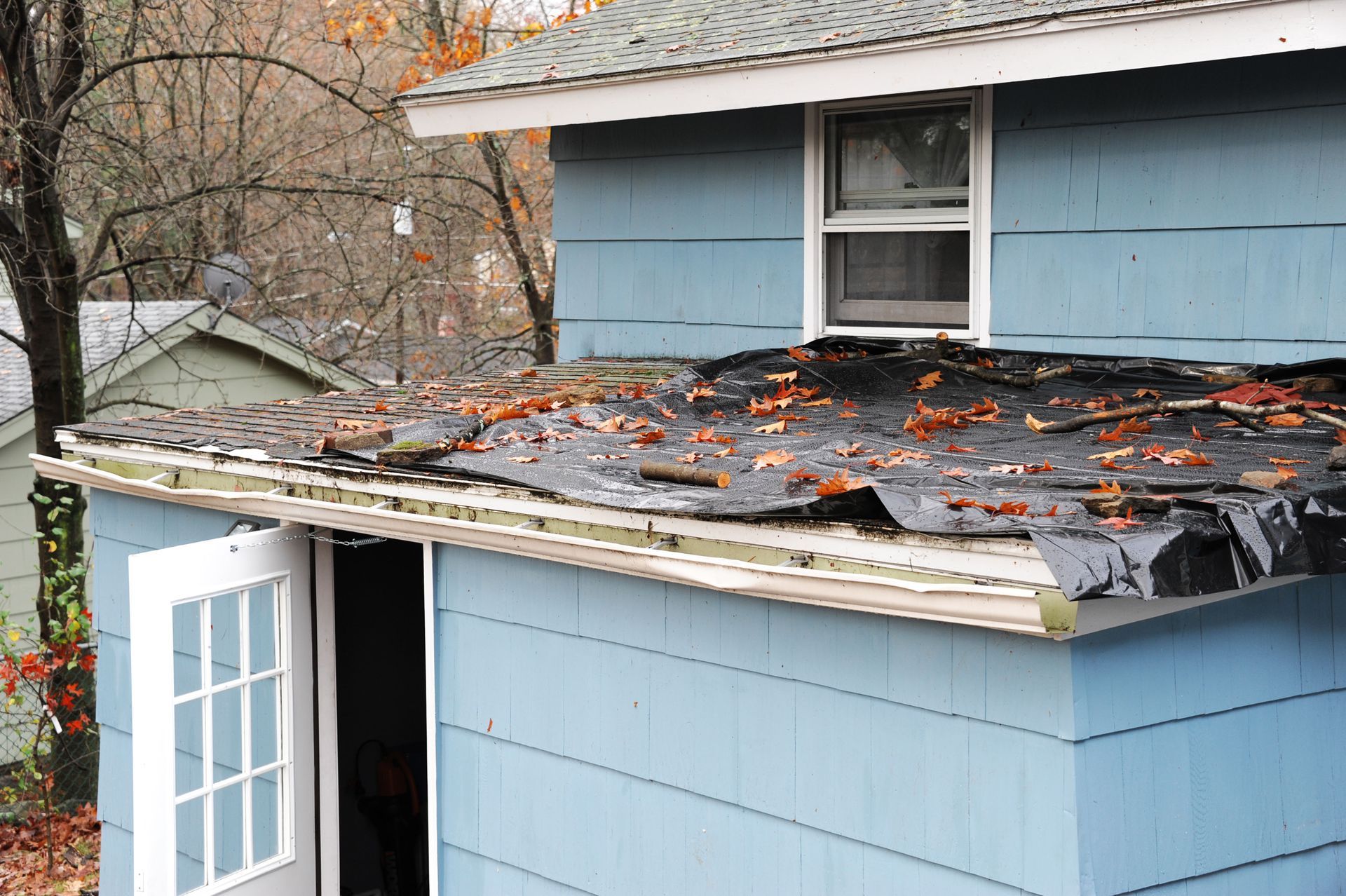
Exposing the structural interior of your home to open air during a repair project is inherently risky, especially during unpredictable weather seasons. A professional crew can strip, repair, and seal an entire residential structure in a fraction of the time it takes an inexperienced homeowner working alone over multiple weekends. Professional crews monitor local weather patterns closely to ensure the structure is never left vulnerable to sudden storms. Unforeseen afternoon rainstorms or high winds can ruin an open, unfinished DIY job overnight, causing severe interior water damage. Trained roofing contractors operate with coordinated workforce efficiency, utilizing commercial weather-proofing tarps, rapid sealing techniques, and organized debris disposal to keep your home fully protected against sudden weather changes throughout the construction process.
Enhancing Property Value and Resale Appeal
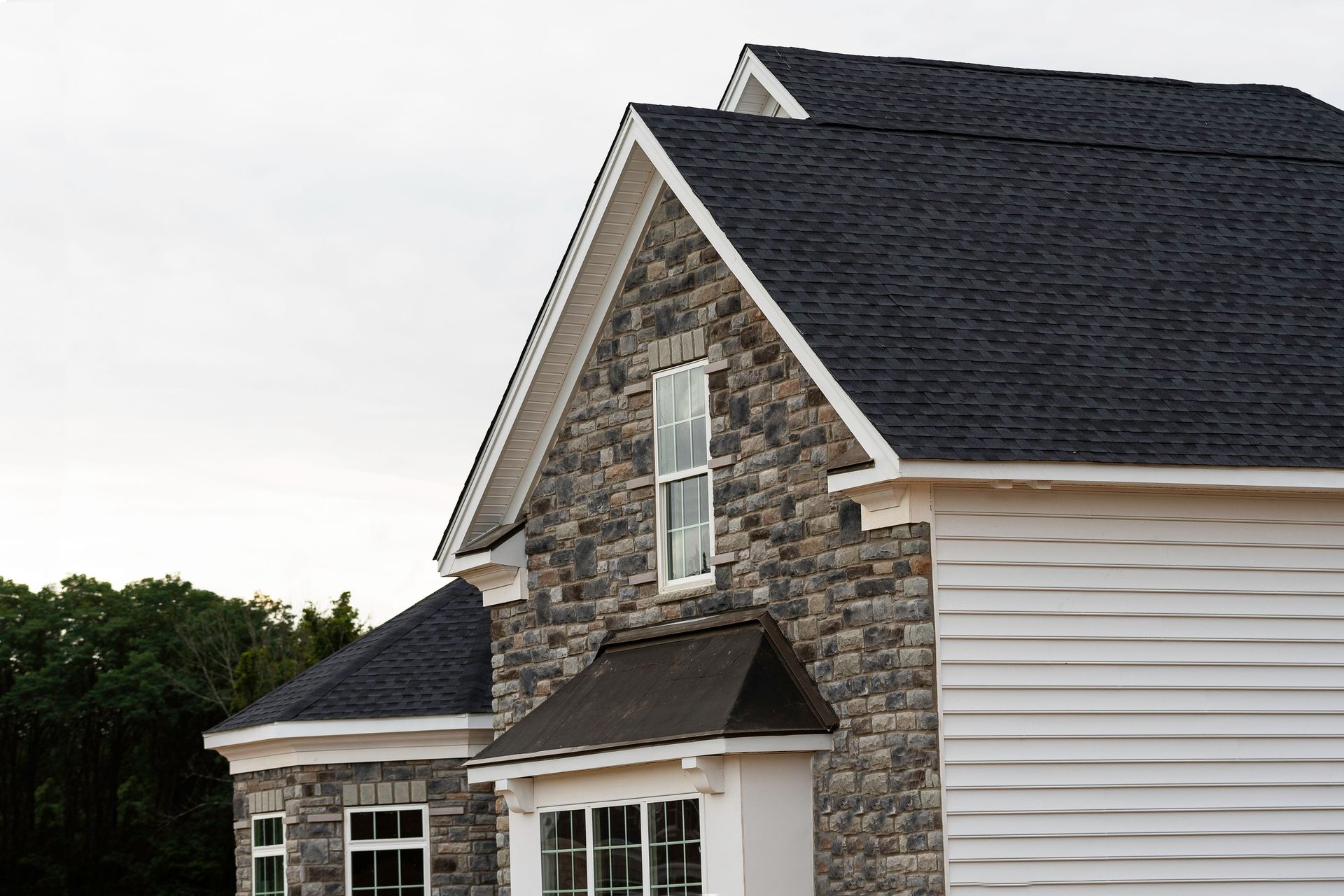
When selling a home, prospective buyers and professional home inspectors scrutinize the age and condition of the roof structure. Unprofessional patch jobs, uneven shingle lines, mismatched colors, and poor flashing work serve as immediate red flags during buyer inspections, often triggering demands for price reductions or costly repairs before closing. In contrast, documentation showing that your replacement was completed by certified roofing contractors provides prospective buyers with immediate confidence regarding the home's structural integrity. A professionally installed roof enhances curb appeal, strengthens home valuation, and simplifies real estate negotiations by offering verifiable warranty coverage.
While the temptation to save money through self-executed home improvements is understandable, structural overhead protection is one area where expertise is irreplaceable. The combination of height hazards, complex material integration, local permit requirements, and warranty restrictions makes professional installation the superior choice. Partnering with experienced roofing contractors protects your family's safety, secures your financial investment, and ensures that your home remains dry, comfortable, and structurally sound through every seasonal storm for decades to come.







Share On: