

Common Causes of Damage That Require Roof Repair
When your home experiences a structural issue, daily comfort disappears entirely. Protecting your property from external elements requires a sturdy overhead barrier that blocks wind, sun, and seasonal storms. Understanding what causes wear ensures your household remains safe from unexpected leaks and costly structural deterioration.
Property owners frequently overlook minor issues until a major leak develops. Paying close attention to subtle shifts in structural integrity saves significant time and financial resources. Recognizing these primary threats ensures you can address issues before a complete failure affects your interior living spaces.
Investing in timely roof repair restores structural stability and safeguards your family. Modern materials provide excellent resilience against environmental wear, protecting your major investment. Let us explore the primary catalysts of structural degradation that require immediate professional attention.
Identifying Wind Displacement
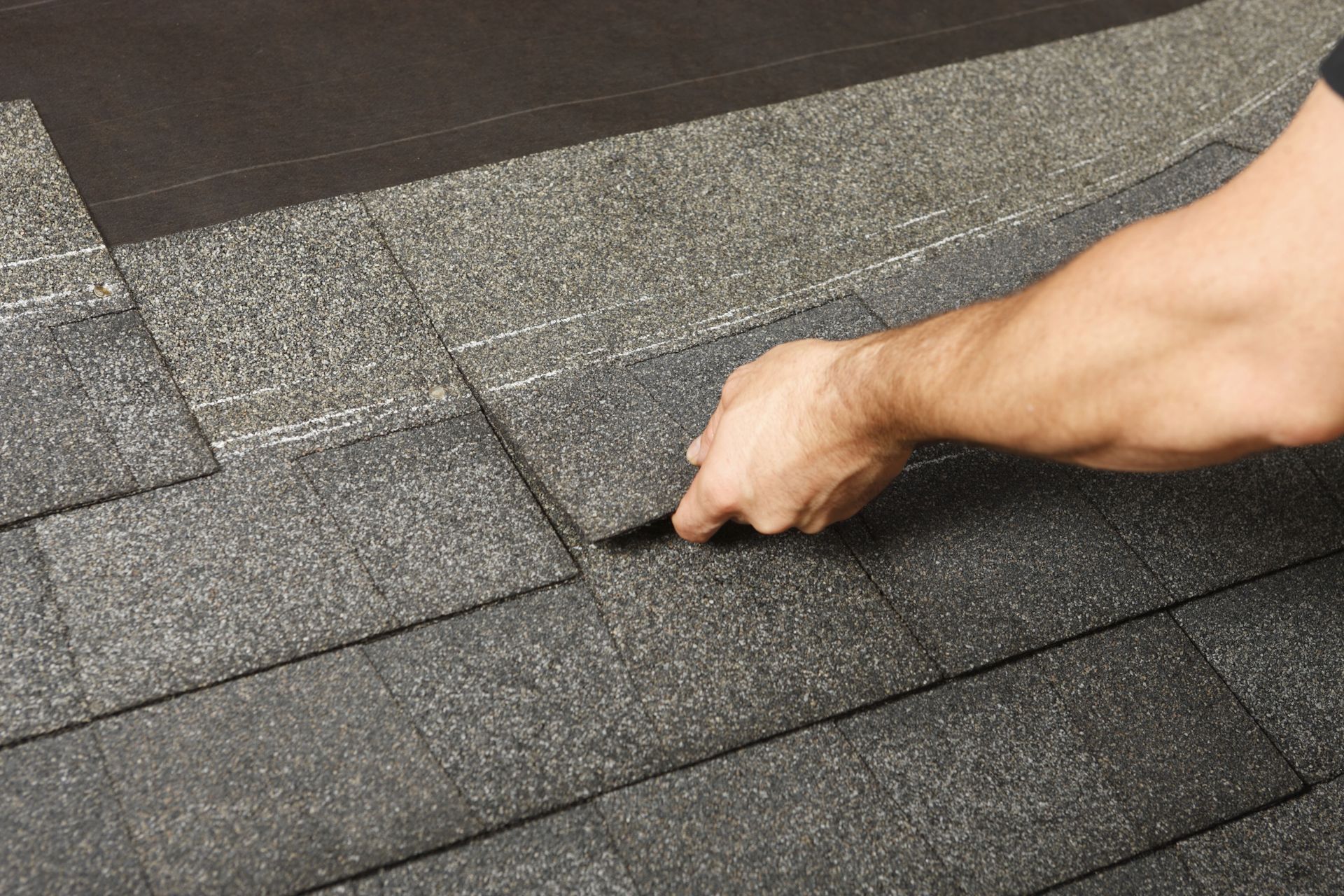
High winds present a major threat to any residential property. Heavy gusts lift structural shingles, breaking the protective sealant line that holds materials flat. This displacement leaves the underlying wood decking completely exposed to incoming elements.
Once a shingle comes loose, nearby materials face a much greater risk of failing. Wind tunnels beneath the loose edges, peeling away large sections during major storms. Securing these compromised areas quickly stops widespread destruction.
This specific mechanical stress is particularly severe along the outer edges and ridges of your home. If a heavy storm strips away these perimeter defenses, the entire structural system becomes vulnerable. Timely intervention ensures that minor wind displacement does not turn into a total structural failure.
Detecting Moisture Intrusion
Persistent rain causes significant wear to even the strongest residential materials. When moisture slips past the top barrier, it rots the wood support structure underneath. This gradual rot weakens the entire system, leading to dangerous sagging sections.
According to This Old House, a single inch of rainfall striking a typical residential layout can accumulate up to 1900 gallons of water across the structure. This massive volume highlights the immense pressure your home faces during an average storm. Managing this runoff requires a perfectly sealed barrier.
When water pools in stagnant pockets, it creates a breeding ground for wood-destroying fungi. The structural beams lose their load-bearing capacity as the rot advances deeply into the wood fibers. Regular maintenance checks identify these hidden damp spots before they compromise your ceiling safety.
Addressing Algae Growth
Humid conditions encourage destructive plant matter to thrive across shaded surfaces. Dark streaks indicating algae growth slowly eat away the protective limestone granules covering your shingles. This degradation reduces the material's ability to reflect hot sunlight.
- Look for dark, vertical streaks spreading across northern slopes.
- Check for moss accumulation trapping dampness against the surface.
Left unchecked, moss holds moisture directly against the structural base for extended periods. This continuous dampness rots the core materials far faster than normal weathering. Professional remediation stops this organic growth from destroying your investment.
The loss of protective granules also accelerates the breakdown of the underlying asphalt layer. Once the sun bakes this raw material directly, the shingles become brittle and crack. Eradicating organic growth preserves the protective qualities of your exterior materials.
Managing Tree Damage
Overhanging branches pose a direct physical threat to structural integrity. Strong breezes scrape heavy limbs across the surface, scraping away the protective outer coating. This abrasive action leaves the underlying materials weak and vulnerable.
Dead branches present an even greater danger during severe weather situations. Falling limbs easily puncture standard residential materials, creating immediate paths for torrential rain. Trimming nearby trees removes this hazard entirely.
Leaves and pine needles also accumulate in the valleys, trapping moisture against the surface. This debris prevents proper drainage, forcing water to back up under the shingles. Keeping nearby vegetation neatly manicured eliminates this common source of property damage.
Preventing Flashing Failure
Metal strips installed around chimneys and valleys direct water away from vulnerable intersections. When this flashing rusts or pulls away, an immediate leak pathway forms. This critical boundary requires a strong sealant to remain perfectly secure.
Old sealant cracks open after years of exposure to the baking summer heat. Regular inspections help identify these tiny openings before major storms occur. Replacing worn flashing prevents widespread interior drywall damage.
The constant expansion and contraction of different building materials naturally loosen these metal joints over time. Without strong, flexible flashings, water penetrates the deepest layers of your home structure. Maintaining these water-tight connections is vital for overall property health.
Analyzing Age Wear
Every residential material has a fixed lifespan that dictates overall reliability. Decades of baking sun and freezing winter temperatures naturally break down structural components. Shingles curl, crack, and lose their flexibility over time.
- Monitor the property for widespread curling shingle edges.
- Watch for a heavy accumulation of granules inside your gutters.
When multiple sections show advanced wear, localized patches no longer suffice. Systemic failure requires a comprehensive restoration plan rather than minor temporary fixes. Tracking material age helps you plan for ultimate structural safety.
Brittle, aging materials cannot withstand normal weather patterns or sudden seasonal changes. As the composition breaks down, the structure loses its ability to shed water efficiently. Planning a proactive upgrade eliminates the stress of handling sudden, extensive leaks.
Inspecting Ice Dams
Freezing winter weather introduces unique hazards to the lower edges of your home structure. When heat escapes from your attic, it melts the snow resting on the upper sections. This runoff refreezes as it reaches the cold eaves, creating a solid ice barrier.
This thick ridge of ice prevents melting snow from draining off the property safely. The trapped water backs up beneath the shingles, finding tiny gaps in the underlayment. Proper insulation and ventilation prevent this dangerous thermal cycle from occurring.
The weight of these icy accumulations also puts immense physical stress on your gutters and fasteners. Entire drainage systems can rip away from the wood fascia boards under this heavy load. Addressing attic ventilation issues stops these cold-weather emergencies from destroying your exterior.
Evaluating Ventilation Issues
Inadequate airflow inside an attic space creates severe structural complications from the inside out. During hot summer months, trapped heat cooks the underside of your shingles. This extreme thermal stress causes premature blistering and rapid material failure.
In winter, poor ventilation allows moisture from cooking and bathing to collect in the attic. This damp air condenses on the cold wood framing, creating mold issues. Ensuring proper ridge and soffit airflow regulates these damaging temperature swings.
A balanced ventilation system drastically extends the life of your exterior investments. It reduces your cooling costs while keeping the structural wood dry and strong. Monitoring attic conditions protects your home from invisible, slow-moving deterioration.
Reviewing Animal Activity
Local wildlife can cause surprising amounts of physical harm to your home exterior. Squirrels, raccoons, and birds look for small vulnerabilities along the roofline to build nests. They chew through wood fascia and tear away shingles to gain access.
Once these pests create an opening, weather elements enter the home freely. The scratching and chewing also destroy wires and insulation inside your attic space. Installing heavy-duty screens and metal guards deters these unwanted visitors effectively.
Regularly checking the perimeter of your home helps catch these wildlife intrusions early. Repairing minor chewing damage immediately prevents animals from establishing permanent nests inside your walls. Protecting these entry points preserves both your structure and your sanity.
Recognizing these destructive threats protects your interior living spaces from sudden, expensive emergencies. Maintaining a pristine overhead barrier guarantees long-term property value, total family safety, and absolute peace of mind through every season. For high-quality structural restoration and reliable
roof repair, contact our dedicated team at Bill Blanck Home Improvements LLC.









Share On: