

6 Details to Discuss With Your Local Roofer Before Replacement
Replacing a roof is a significant investment, and understanding the critical details involved can make the process smoother and more efficient. Before embarking on a roof replacement, there are several key aspects you should discuss with your local roofing contractor. This article outlines these essential conversations to ensure a successful roofing project. Knowing what to expect can save you time and money while providing peace of mind. Engage your contractor in these vital discussions to avoid misunderstandings and suboptimal results.
Roofing Material Options
Understanding Different Material Types
Choosing the right roofing material is a fundamental decision that will impact the longevity, aesthetics, and functionality of your home. Each type of roofing material offers unique benefits and potential drawbacks. It's crucial to discuss the characteristics of each option, including appearance, lifespan, and maintenance requirements, with your roofing contractor.
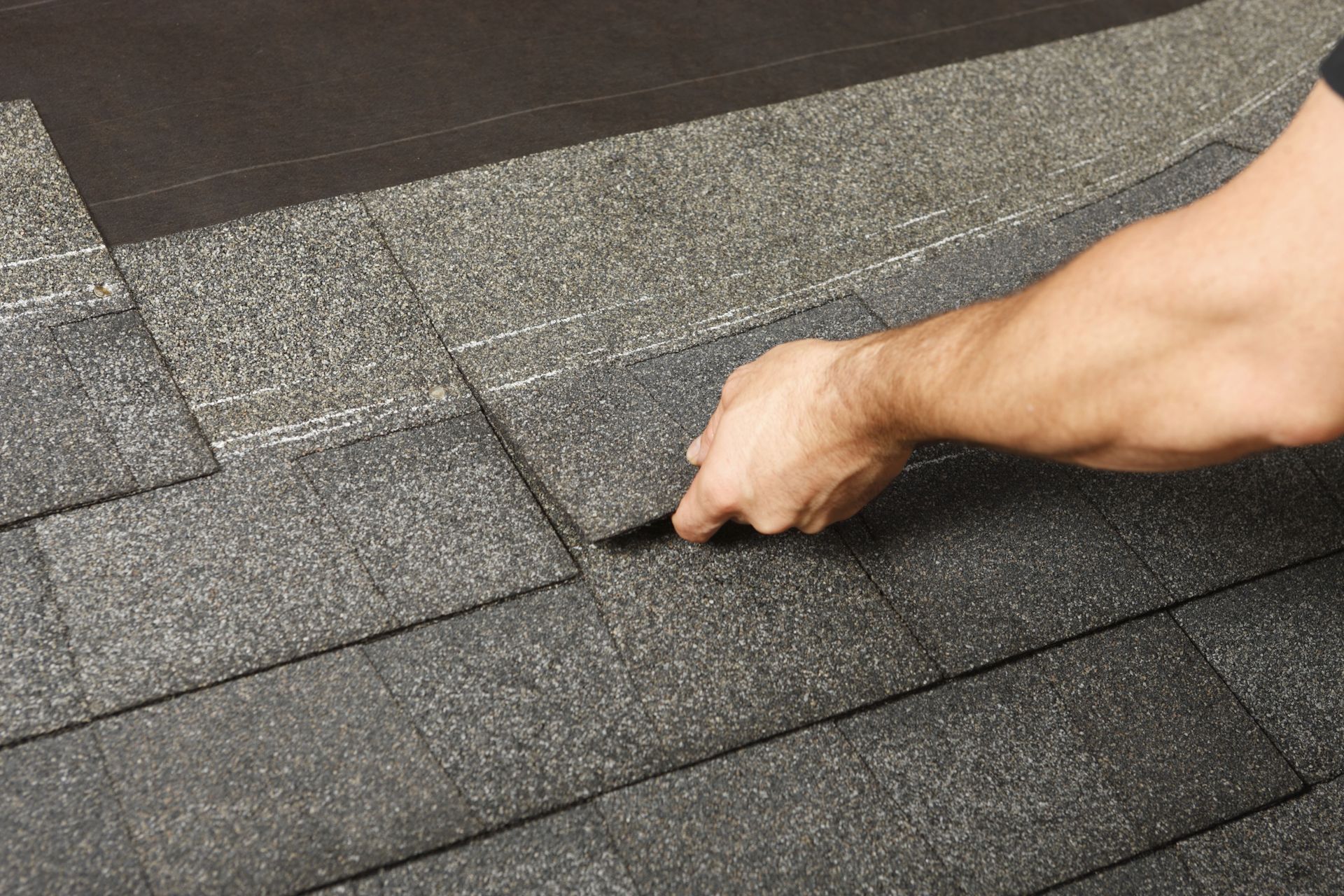
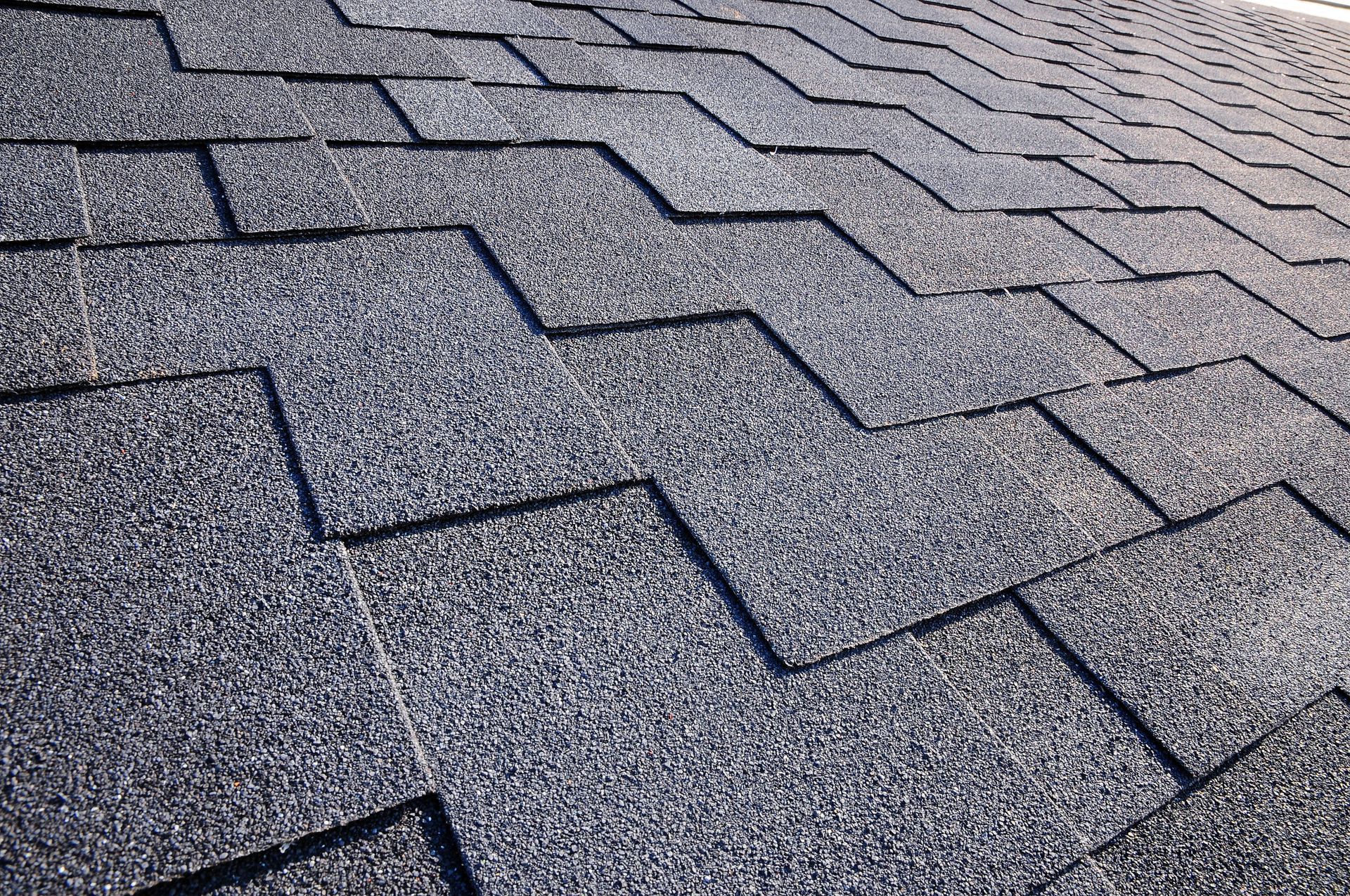
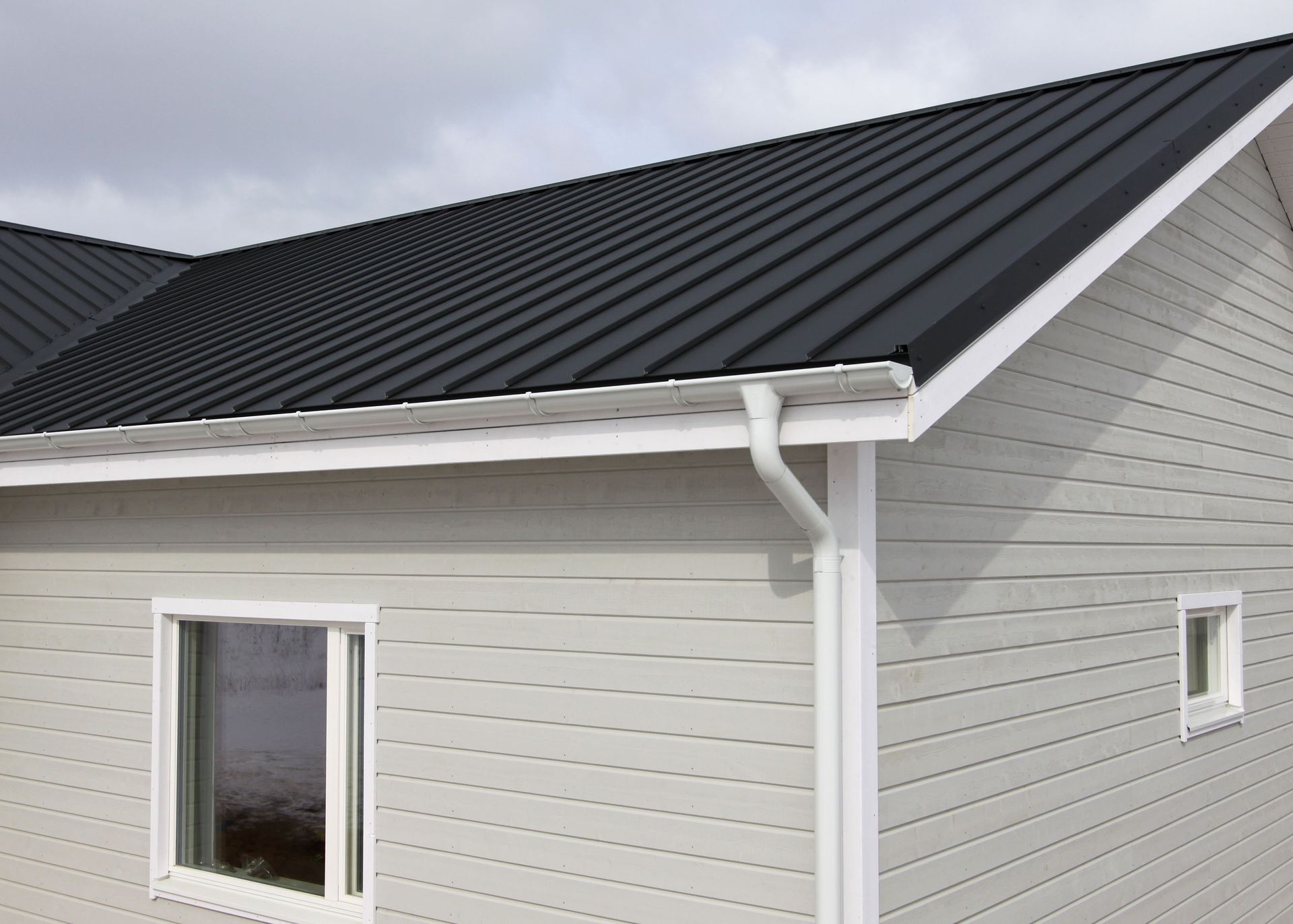
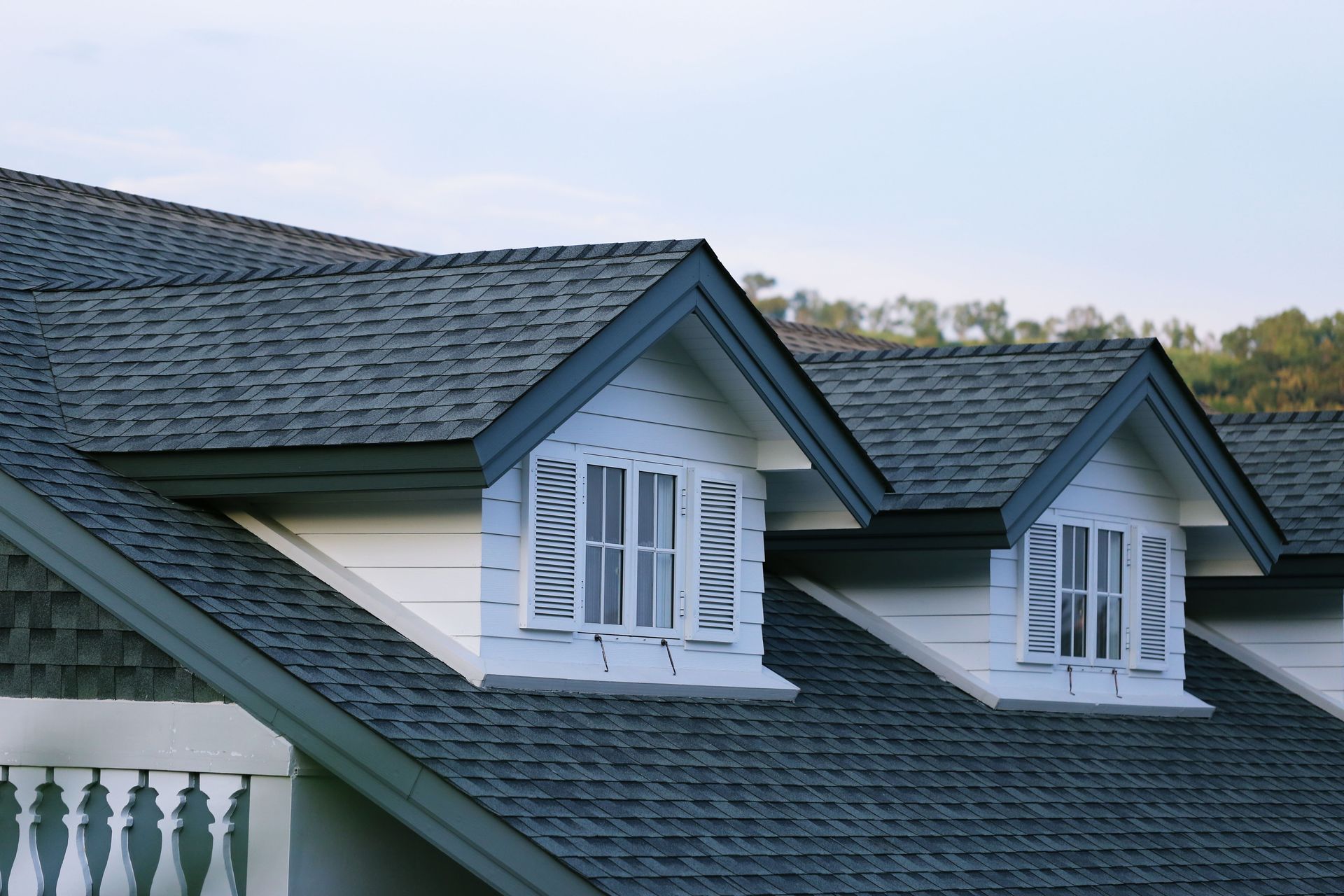
Asphalt shingles are the most common roofing material used in the United States because of their cost-effectiveness and ease of installation. They come in various colors and styles, which can enhance the curb appeal of your home. Conversely, metal roofing, while more expensive upfront, offers durability and energy efficiency benefits. Tile roofs, known for their distinct appearance and long lifespan, are ideal for certain architectural styles. Evaluating these options is essential, especially since, according to Ruby Home, the average roof size is 1,700 square feet, which significantly influences the overall cost.
Wood shakes and slate roofing provide natural beauty and are commonly selected for upscale or historic homes. Although they require more maintenance, they offer unique charm and can increase your home's value. When discussing options with your contractor, consider factors such as the weight of the materials and their compatibility with your existing roof structure. Some materials, like slate, may require additional reinforcement. A thorough understanding of these material distinctions aids in selecting the best fit for your home and budget.
Cost Considerations
Discussing cost considerations with your roofing contractor is a crucial step in preparing for a roof replacement. The cost of materials varies significantly, with asphalt shingles at the lower end of the spectrum and slate or metal roofs at the higher end. Beyond material costs, installation expenses can differ based on the complexity of the job and the roof's design. Homeowners should also consider long-term value, which includes maintenance and lifespan, during these discussions. A reliable contractor will provide a detailed breakdown of costs and help you understand the warranties for each material option.
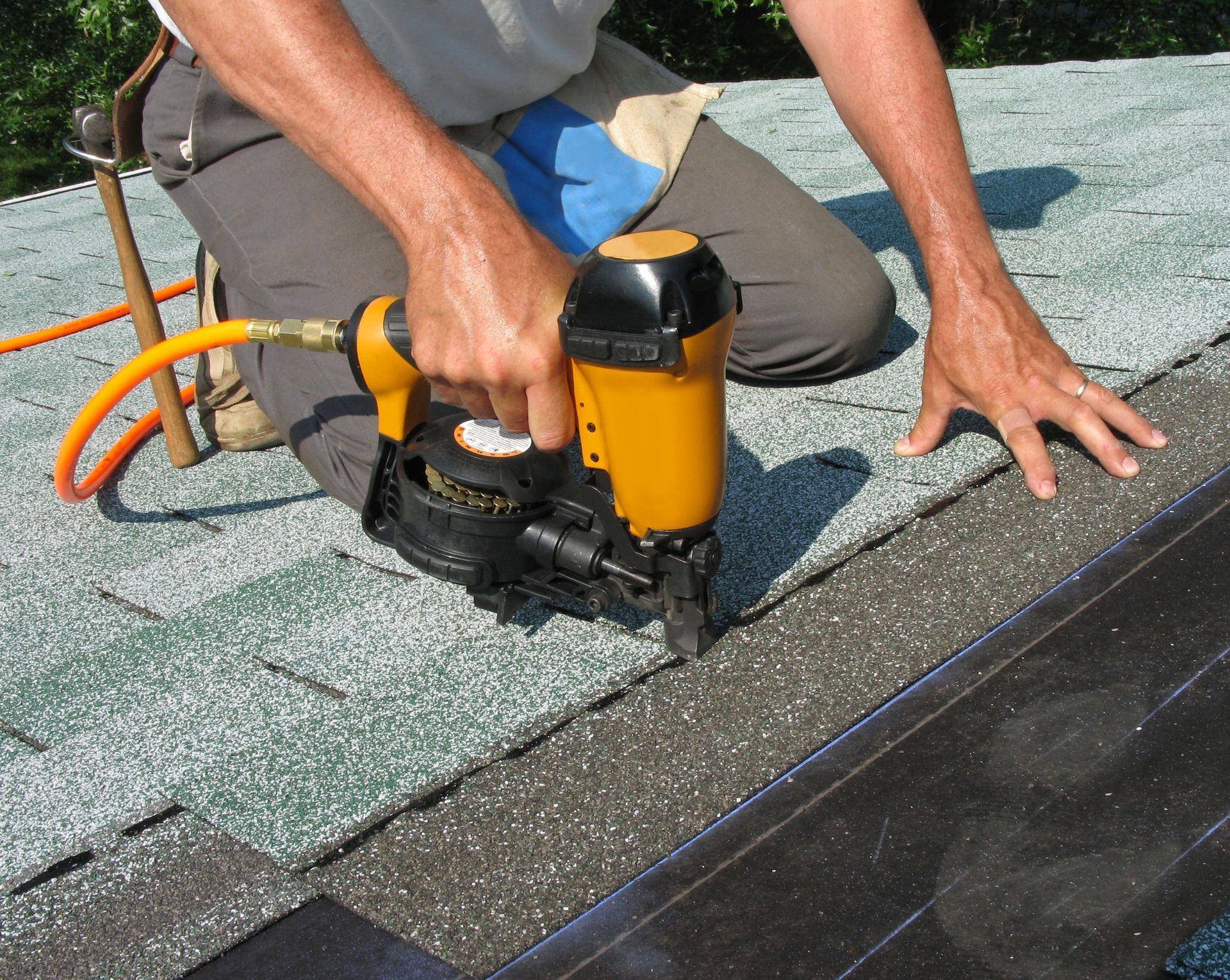
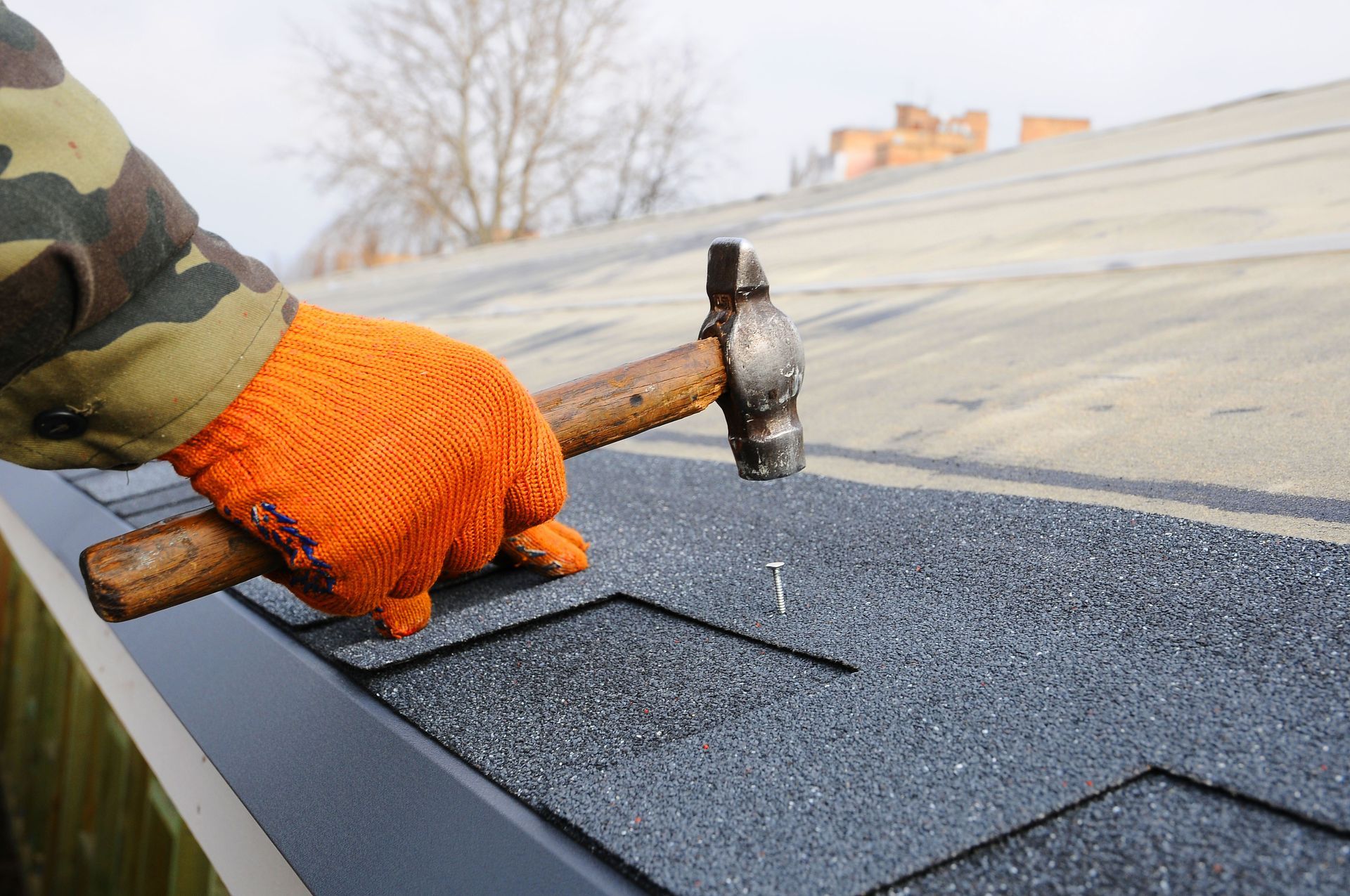
A significant portion of the roofing budget is often allocated to labor and installation. Your contractor should clarify what is included in these expenses, such as the removal of old materials, site cleanup, and any preparatory work required. Additionally, inquire about potential cost savings related to energy efficiency when choosing specific materials like metal. Insurance and financing options can also affect the overall investment, so it's wise to explore these avenues with your contractor. For an average roof size of 1,700 square feet, these factors become exceedingly relevant.
Climate and Environmental Factors
The climate and environmental characteristics of your area play a significant role in determining the most suitable roofing material. Weather resistance is a primary concern, especially in regions prone to severe weather conditions such as high winds, heavy rain, or snowfall. Metal roofs, for instance, offer excellent durability under harsh weather, while tile and slate perform well in areas with high temperatures. Discuss the resilience of different materials with your contractor to ensure your roof can withstand local climatic factors.
Energy efficiency is another essential factor to consider, with some roofing materials contributing to better insulation and lower energy costs. Light-colored materials can reflect heat away, reducing cooling costs in warmer climates. Your contractor should explain the energy performance of each material, allowing you to make an educated decision that can lead to savings over time. Eco-friendly options, such as recycled materials or green roofs, may also be worth considering as you weigh the environmental impact of your choices.
Local environmental policies may also impact your roofing decision, particularly in areas with strict building regulations or incentives for sustainable building practices. Environmental considerations, such as the disposal of old materials, should also be a part of the conversation. Proper disposal practices reduce the environmental footprint of the project. Your contractor should be familiar with these guidelines and ready to discuss how they affect your roofing project.
Company Credentials and References
Before you hire a roofing contractor, verifying their credentials is vital to ensure you're working with a qualified professional. Start by asking for proof of licensing and certification that demonstrate their ability to perform the job legally and competently. Licensed contractors are typically more reliable and adhere to industry standards. Verification of insurance coverage is equally important, as it protects you from liability in case of accidents or damages during the project. Reputable contractors will readily provide this information as part of their professional transparency and commitment to client safety.
Client references and online reviews offer valuable insights into the contractor's reputation and track record. Request a list of references from past clients to understand the contractor's reliability, work quality, and customer satisfaction. Online reviews from platforms like Google or Yelp complement these references, offering a broader perspective on the contractor's performance. Consider both positive and negative reviews to make an informed choice. Reliable roofing contractors will have predominantly positive feedback and will address any negative comments with professionalism.
The contractor's experience and tenure in the business are additional factors worth discussing before engaging them for a replacement project. A company with years of experience is likely to have honed its skills and encountered a variety of roofing challenges. This wealth of experience can be particularly beneficial for complex or unique roofing projects. Explore their portfolio to see examples of previous work similar to your needs. A long-standing company is often a testament to its reliability and consistent delivery of satisfactory results.
Project Timeline and Expectations
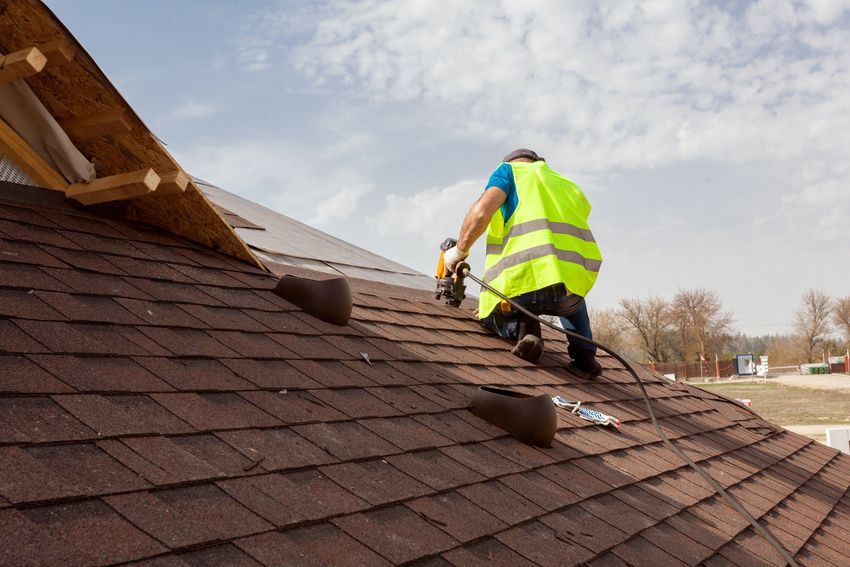
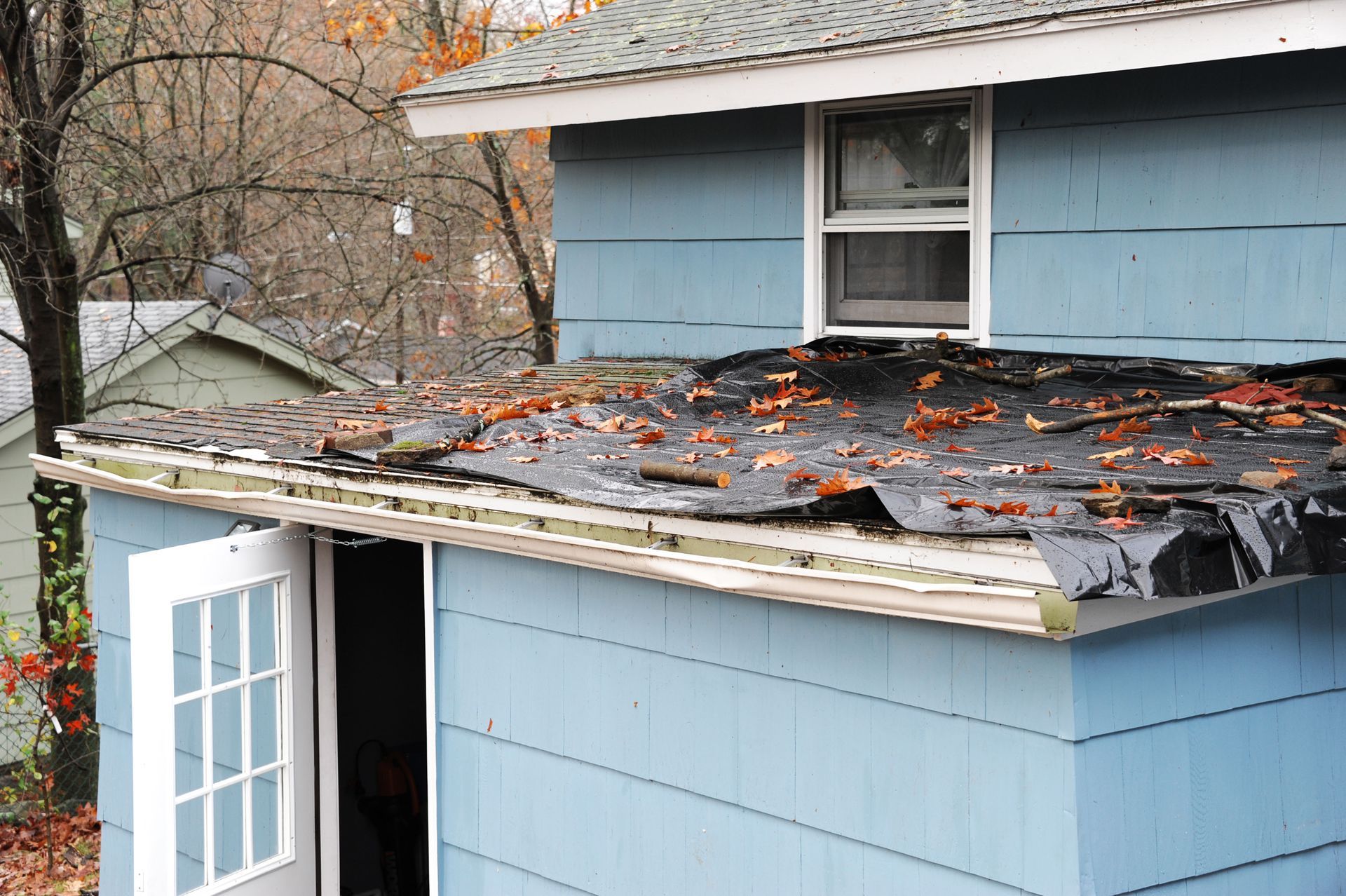
Understanding the project timeline is essential to planning effectively for a roof replacement. Discuss scheduling with your contractor to ensure their timeframe aligns with your availability. Consider potential disruptions to your daily routine and any special arrangements needed during construction, such as securing pets or covering belongings inside. Discuss weather contingencies, as weather conditions can cause delays in roofing projects. Reliable contractors should have strategies to address such issues, which ensure your project stays on track.
Clarifying daily work hours is also crucial for managing expectations during the roofing project. Knowing when the crew will start and finish each day helps minimize disruption and allows you to coordinate your daily activities accordingly. Discuss expectations regarding noise levels, construction areas, and site access. Understanding these details will help you create a mutual agreement on site conduct.
Contract Details and Payment Terms
A comprehensive contract review is an essential step before commencing any roof replacement work. This legally binding document should clearly outline all aspects of the project, including scope, materials, labor, and costs. Carefully review the contract with your contractor to ensure mutual understanding of each term and condition. A thorough contract protects both you and the contractor by establishing clear guidelines and responsibilities. Address any sections that require clarification to avoid misunderstandings or disputes later.
Discussing payment schedules and terms is equally important as part of contract negotiations. Typically, contractors require a deposit before starting work, with subsequent payments tied to the completion of project milestones. Understanding payment terms allows you to budget appropriately and ensures the contractor remains committed to completing the project on schedule. Change orders and adjustments can arise during the project, impacting costs and timelines.
By having thorough discussions with your local roofer on these topics, you can ensure that your roof replacement project proceeds without any unexpected issues. A clear understanding of material options, costs, contractor credentials, and project timelines is essential for a successful and stress-free roofing project. Ensure that every aspect of the replacement is covered, from start to finish. If you're in need of roofing services, contact Bill Blanck Home Improvements LLC to learn more information or get an estimate today.






Share On: